
Advanced Manufacturing Technology Behind Premium Insulated Drinkware Products
Have you ever wondered how your coffee stays piping hot for 12 hours or how your water remains ice-cold even after sitting in a hot car all day? The answer lies in the sophisticated engineering and precision manufacturing behind modern drinkware. The industry has moved far beyond simple containers; it is now a sector driven by material science, thermodynamics, and ergonomic engineering. India has emerged as a significant hub for manufacturing high-quality drinkware that rivals international standards. This blog takes you behind the scenes to understand the technology, quality assurance, and innovations that define the best drinkware products on the market today.
What is the science behind double-wall vacuum insulation technology?
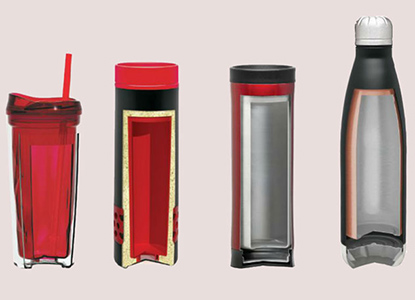
The core technology behind temperature retention is vacuum insulation. A vacuum-insulated bottle is essentially a bottle within a bottle. Manufacturers create two walls of stainless steel and, during the production process, suck all the air out from the space between these two walls to create a vacuum. Since heat requires a medium (like air) to travel through conduction or convection, the vacuum acts as a barrier that effectively stops heat transfer. This is why the exterior of the bottle remains at room temperature even if the liquid inside is boiling hot or freezing cold. Advanced manufacturers also add a copper coating on the inner lining to reflect heat radiation, further enhancing the thermal retention properties, allowing some bottles to keep ice frozen for up to 48 hours.
Why is the grade of stainless steel critical for product safety?
Not all steel is created equal. The gold standard for drinkware is 304-grade (18/8) stainless steel. This alloy contains 18% chromium and 8% nickel, which provides excellent resistance to corrosion and oxidation. Lower quality steel, like the 200 series, is cheaper but prone to rusting and can impart a metallic taste to the water. In the worst cases, poor-quality steel can leach heavy metals. Top manufacturers in India strictly source food-grade 304 steel to ensure the product is non-toxic, non-leaching, and durable. This material is also easy to clean and does not retain flavours, meaning your water would not taste like yesterdays coffee. Rigorous material testing is conducted to verify the chemical composition before the manufacturing process even begins.
How does powder coating improve the durability and grip of drinkware?
The finish of a bottle is about more than just colour its about durability. Powder coating is a dry finishing process where free-flowing thermoplastic powder is applied electrostatically and then cured under heat. This creates a hard finish that is much tougher than conventional liquid paint. Powder-coated bottles are resistant to chipping, scratching, and fading, even after rough usage or repeated washing. Additionally, this texture provides a superior grip. A smooth steel bottle can be slippery, especially if your hands are wet or sweaty, but a powder-coated surface offers a tactile, non-slip friction that makes the bottle easier to hold. This technology ensures that the bottle maintains its aesthetic appeal for years, reinforcing the brand value printed upon it.
What constitute the quality control checks for leak-proof designs?
A bottle that leaks is useless, regardless of how good it looks. Achieving a 100% leak-proof design requires precision engineering of the lid and the bottle neck. Manufacturers use food-grade silicone rings or gaskets that create an airtight seal when the lid is screwed on. During the Quality Control (QC) phase, bottles undergo rigorous testing. This includes vacuum testing to ensure insulation integrity, drop testing to simulate everyday accidents, and leak testing where bottles are inverted and shaken under pressure. Only products that pass these stringent tests make it to the packaging line. The threading on the bottle neck must be precise to prevent cross-threading, which is a common cause of leaks in inferior products.
What are the emerging trends in smart drinkware technology?
The intersection of technology and hydration is the newest frontier. We are seeing the rise of "smart bottles" in the Indian market. These devices come with lids featuring LED temperature displays, so you know exactly how hot your beverage is before you take a sip, preventing burns. Some advanced models connect to mobile apps via Bluetooth to track your water intake, glowing or sending notifications to remind you to hydrate throughout the day. Others feature built-in UV-C sterilisation lights in the cap that purify the water and clean the inside of the bottle every few hours, eliminating bacteria and odours. These innovations appeal to tech enthusiasts and health-conscious consumers who want data-driven insights into their daily habits.
How do manufacturers ensure the safety and certification of their products?
Credibility in the drinkware market is established through certification. Reputable manufacturers ensure their products comply with international safety standards such as the FDA (USA), LFGB (Europe), and BIS (India). These certifications validate that the plastics used in lids are BPA-free and that the steel does not contain harmful lead or other heavy metals. The manufacturing facilities themselves are often ISO certified, ensuring consistent management systems and ethical labour practices. For corporate buyers and distributors, these certificates are non-negotiable documentation. They provide the assurance that the product is safe for mass distribution and use by children and adults alike, protecting the buyer from liability and reputational damage.
Conclusion:
In conclusion, the manufacturing of drinkware is a complex process that blends heavy industry with precise science. From the selection of 304-grade stainless steel to the application of vacuum technology and durable powder coatings, every step is designed to maximize utility and longevity. As technology evolves, we are seeing smarter, safer, and more efficient hydration solutions entering the Indian market. For consumers and businesses alike, understanding these technical details is key to making informed purchasing decisions. By choosing products that prioritise engineering quality and safety certifications, you ensure that your drinkware is not just a container but a reliable companion for a healthy lifestyle.