Choosing Aluminium Partitions For Offices And Homes In India
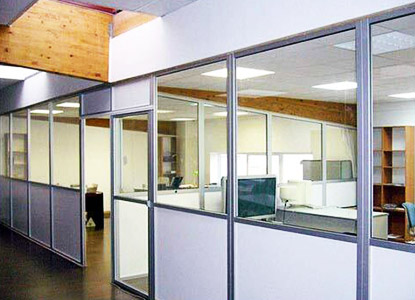
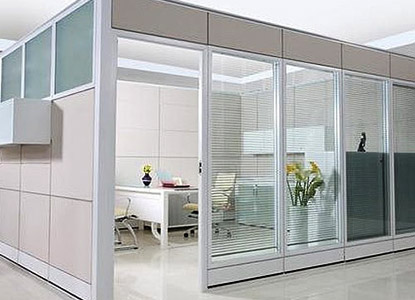
Aluminium partition work in India has become a preferred choice for architects, interior designers, and property owners who want flexible, modern spaces without the mess of heavy civil construction. Instead of building brick walls that are difficult to alter, aluminium partitions allow you to create cabins, meeting rooms, and private zones quickly and cleanly. These systems support glass, gypsum, MDF, ACP, and other panels, making design combinations almost endless. In Indian cities where rents are high and businesses frequently expand or relocate, the ability to dismantle and reuse partitions is a major financial advantage. For homes, slim aluminium profiles with stylish glass can divide functional areas while still allowing natural light and visual connection.
How does aluminium partition work optimize Indian offices?
In growing Indian offices, aluminium partition work optimizes every square foot by helping you zone spaces with precision. Instead of large, open halls that feel noisy and unfocused, you can create quiet meeting cabins, HR rooms, manager offices, and collaboration corners without blocking light or airflow. Glass-topped aluminium partitions preserve an open, transparent culture while still giving teams the privacy they need for calls and focused work. Because layouts can be reconfigured later, start-ups and SMEs can begin with smaller cabins and expand them as teams grow. This flexibility is particularly valuable in coworking spaces and IT companies, where seat counts and team structures frequently change.
What types of aluminium partitions suit different industries?
Different industries in India benefit from different aluminium partition specifications. Corporate offices and IT firms often choose full-glass or half-glass partitions to maintain transparency and a premium look. Clinics, diagnostic centres, and hospitals may prefer opaque panels for patient privacy, combined with glass bands to allow monitoring and daylight. Retail showrooms might use aluminium and glass fronts for maximum product visibility, while factories and warehouses rely on solid partitions to create secure office blocks inside industrial sheds. Educational institutes and coaching centres usually opt for economical aluminium and board combinations that control sound and clearly define classrooms while keeping costs manageable and timelines short.
How do aluminium partitions compare with brick walls?
Compared with brick walls in India, aluminium partitions are lighter, faster to install, and far more flexible. Brickwork requires skilled masons, curing time, plastering, and painting, which can significantly extend project timelines and disrupt running offices. Aluminium partitions, in contrast, are largely dry installations, creating less dust and noise on-site. They can be removed, relocated, or modified with minimal damage to floors and ceilings. While well-built brick walls may provide better mass-based sound insulation and structural robustness, aluminium systems can be enhanced with double-glazed glass and insulated panels to approach similar performance. For most commercial interiors, the speed and adaptability of aluminium outweigh the permanence of masonry.
What safety and acoustic features can partitions include?
Safety and acoustic performance are key concerns for aluminium partition work in India, especially in healthcare, corporate, and educational projects. Toughened or laminated glass can be used to reduce the risk of injury if glass breaks, while fire-rated boards and glass options are available for critical areas. Rubber gaskets, proper sealing, and carefully detailed joints help control sound transmission between rooms. Acoustic boards or rockwool insulation inside partition cavities can significantly improve noise reduction, creating quieter cabins and meeting rooms. Additionally, high-quality locks, door closers, and stronger sections ensure security and durability, which is essential for IT rooms, finance departments, and document storage zones.
How should you plan layouts for aluminium partitions?
Effective layout planning for aluminium partitions in India starts with understanding team structure, workflows, and future growth. Begin by mapping circulation paths so that movement between reception, workstations, meeting rooms, and support areas is smooth and intuitive. Position cabins that require maximum privacy like HR and management away from noisy areas such as cafeterias and printer zones. Consider natural light and windows; use more glass near facades to pull daylight deeper into the floor plate. Discuss power, data, and HVAC requirements early, so that partition channels can accommodate wiring and grills neatly. Planning for potential expansion or reconfiguration at the design stage saves significant time and money later.
How do you choose a reliable aluminium contractor in India?
Selecting the right contractor for aluminium partition work in India can determine both the look and lifespan of your interior. Ask to see physical samples of aluminium sections, glass, and board materials, and compare thickness, finish, and weight. Visit completed sites to observe alignment, joint quality, and hardware performance. A good contractor will provide detailed drawings, timelines, and clear quotations that specify rates, brands, and warranties. Check whether they comply with safety norms, especially for high-rise and public buildings. Also evaluate their ability to coordinate with electricians, HVAC teams, and interior carpenters, since partitions interact closely with other services in any project.
Conclusion
Aluminium partition work in India offers a powerful combination of speed, flexibility, and modern aesthetics that traditional masonry cannot easily match. Whether you are planning a compact start-up office, a large corporate floor, a clinic, or a home studio, aluminium systems can be customized to suit your budget, privacy needs, and design preferences. With options ranging from clear glass cabins to solid acoustic partitions, it is possible to create well-organized layouts that still feel open and bright. By investing time in thoughtful space planning and choosing an experienced contractor, you can build interiors that are not only functional today but also ready to adapt to tomorrows changes without heavy reconstruction.