Choosing Waterproofing Contractors In India For Your Home
Introduction:
Indian homes face intense heat, driving rains, high humidity, and in many regions, extreme temperature swings between seasons. All these factors stress your buildings concrete, brickwork, and plaster, creating cracks and micro-gaps where water can slowly enter. Once moisture seeps inside, it damages paint, weakens plaster, corrodes steel reinforcement, and encourages mold growth that can harm health. Proper waterproofing is therefore not a luxury; it is structural insurance. Yet, many homeowners only think about it after leaks have already appeared. Understanding how to select the right waterproofing contractor in India helps you prevent problems instead of constantly repairing damage. A systematic approach can save money, protect your belongings, and keep your home comfortable in every monsoon.
Why Is Home Waterproofing Essential In Indian Climates?
Across India, monsoon rain can fall for weeks, soaking terraces, walls, and balconies, while poor drainage often leaves water ponding on flat roofs. In coastal areas, salt-laden air accelerates corrosion; in northern regions, strong sun followed by rain causes repeated expansion and contraction. These cycles open up hairline cracks that may look harmless but act like tiny pipelines for water. Over time, seepage reaches interior spaces, staining ceilings and ruining expensive finishes like wooden flooring or modular furniture. Structural elements are also affected as steel bars rust and expand, leading to spalling concrete. Effective home waterproofing addresses all these risks by forming continuous barriers against moisture and by sealing vulnerable joints and cracks before they escalate.
How Do Professional Waterproofing Contractors Diagnose Damp Problems?
Skilled waterproofing contractors begin with a thorough visual inspection of both exterior and interior surfaces, noting damp spots, flaking paint, and existing repairs. They trace the pattern of stains to understand the direction of water movement, then examine terraces, parapet walls, plumbing lines, window joints, and adjacent structures. Moisture meters and infrared tools may be used to detect hidden dampness behind walls or under tiles. Contractors also check slopes, drainage outlets, and the condition of previous waterproofing layers, if any. Instead of simply painting over damage, they identify the root cause such as a cracked parapet, clogged outlet, or failed joint sealant. A written diagnosis, supported by photos, helps homeowners see exactly what is wrong and why specific treatments are recommended.
What Waterproofing Methods Work Best For Roofs And Terraces?
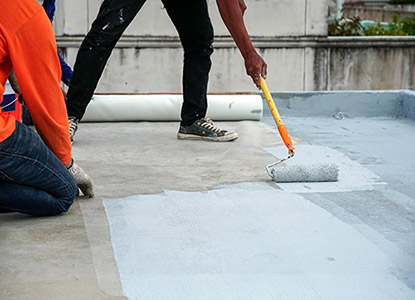
Roofs and terraces face the harshest exposure and therefore need robust, UV-resistant systems. Contractors may recommend cementitious coatings combined with fibre reinforcement for basic protection or advanced acrylic and polyurethane liquid membranes that form seamless, flexible layers. On older buildings, slopes may be corrected to avoid standing water, using screeds before applying waterproofing. For very critical terraces, combinations of membrane plus protective screed or tile finishes are used. Around parapet walls, pipe penetrations, and skylights, special detailing with reinforcing fabric ensures there are no weak spots. Good contractors explain how many coats will be applied, expected dry film thickness, and whether the surface will remain exposed or be tiled. They also plan testing, such as ponding water for 24–48 hours, to verify performance.
Which Areas Of A House Need Waterproofing The Most?
While terraces usually receive attention, other vulnerable areas are often ignored. Bathrooms and kitchens have constant water usage and multiple plumbing joints; without proper sunken slab treatment and joint sealing, water can leak into adjacent rooms. Exterior walls absorb rainwater, especially when cracks or poor-quality plaster exist, leading to interior damp patches. Balconies and window sills are frequent entry points, as water can travel along railings or frames. At the plinth level, rising damp from the soil can slowly climb into walls if there is no barrier. Basements and stilts in high-rise buildings need special systems to resist hydrostatic pressure from surrounding soil. An experienced contractor surveys all these zones and proposes a coordinated solution for the entire home.
How Can You Compare Different Waterproofing Contractors Effectively?
When you receive multiple proposals, look beyond the lump-sum price. Compare each contractors diagnosis, the specific products and brands proposed, the number of coats, and the curing time. Check whether surface preparation, crack chasing, and joint treatments are clearly mentioned or vaguely assumed. Ask for proof of training or certification from product manufacturers and request photos of similar completed projects. Reliable contractors willingly offer references and site visits. Also review the warranty document carefully see whether it covers material and labour, what conditions apply, and how service calls will be handled. A contractor who explains everything clearly and answers questions patiently is usually a safer long-term partner than one who rushes to close the deal.
What Maintenance Keeps Your Home Waterproofing Effective Longer?
Even the best waterproofing systems need simple, regular care to deliver their full design life. Keep terrace and balcony outlets free from leaves, plastic, or construction debris that can cause ponding. Avoid dragging heavy objects or sharp tools across treated surfaces, as they can damage the membrane. For tiled terraces, check and re-grout loose or hollow-sounding tiles promptly. Inspect exterior walls and parapets annually; if you notice new cracks or minor seepage, call the contractor early instead of waiting. Some systems benefit from a fresh topcoat every few years, which is far cheaper than a complete redo. With periodic checks and timely minor repairs, your initial investment in waterproofing can keep working silently for many monsoons.
Conclusion
Choosing the right waterproofing contractor in India starts with understanding how climate, building design, and usage patterns affect your home. By insisting on a proper inspection, a clear written diagnosis, and detailed technical proposal, you can separate true professionals from guesswork-based applicators. Thoughtfully designed systems for terraces, bathrooms, balconies, and external walls protect both aesthetics and structural health. When you combine quality materials, trained workmanship, and sensible maintenance, you gain much more than dry walls you secure a safer, healthier, and more durable living space for your family. In a country where monsoon is guaranteed every year, robust home waterproofing is one of the smartest investments you can make.