
Commercial Waterproofing Solutions In India For Leak Free Buildings
Introduction
Commercial and industrial buildings in India operate under tight performance demands, safety regulations, and financial pressures. A leaking roof or damp warehouse is not just a nuisance; it can halt production, damage expensive inventory, compromise structural safety, and violate compliance standards. With large roof areas, complex services, and heavy foot or machine traffic, commercial spaces require far more than simple paint-like coatings. They need engineered waterproofing systems, carefully designed for long service life and low maintenance. Choosing the right commercial waterproofing contractor involves assessing technical expertise, project management capability, safety culture, and documentation practices. When done correctly, waterproofing becomes an asset that protects revenue-generating operations, not just another maintenance expense.
Why Do Commercial Buildings Need Special Waterproofing Solutions?
Commercial roofs, podium decks, basements, and process areas undergo far greater stress than typical residences. Continuous foot traffic, equipment vibration, thermal expansion, chemical exposure, and standing water all accelerate deterioration. A minor leak over a production line or storage rack can lead to product damage, lost working hours, insurance claims, and reputational risk. In high-occupancy public buildings like malls, hospitals, and offices, dampness can also affect indoor air quality and occupant comfort. Standard household-grade coatings are rarely adequate for such conditions. Instead, commercial premises require systems chosen through engineering evaluation, load considerations, and life-cycle costing. Proper commercial waterproofing, therefore, is a strategic investment that safeguards infrastructure, operations, and brand image.
How Do Contractors Plan Waterproofing For Large Roofs?
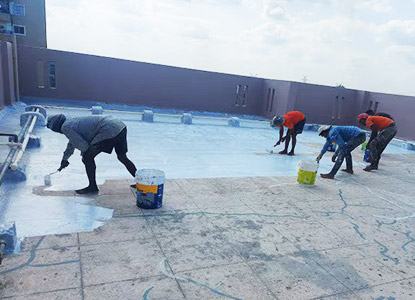
For expansive commercial roofs, professional contractors begin with a detailed survey, including slope analysis, drain positioning, and existing system evaluation. They identify ponding zones, thermal movement joints, mechanical equipment bases, and penetrations like ducts and pipes. Based on this, they design drainage improvements, such as adding new outlets or correcting screed slopes. Then they select suitable systems bituminous or PVC membranes, liquid-applied polyurethane, or hybrid assemblies considering UV resistance, foot traffic, and future serviceability. Detailing around parapets, expansion joints, and pipe upstands is carefully specified, often using reinforcing fabrics and prefabricated accessories. Finally, the contractor prepares a phased execution and safety plan to minimise disruption to ongoing business operations while ensuring high-quality installation across the entire roof area.
Which Waterproofing Systems Suit Industrial Environments Best?
Industrial environments may expose waterproofing layers to oils, solvents, heat, cleaning chemicals, or heavy-trolley movement. In such settings, robust membranes, chemically resistant coatings, or multi-layer systems are preferred. For process tanks and effluent treatment plants, specialised industrial tank waterproofing solutions are designed to withstand continuous immersion and sometimes aggressive media. Factory floors might use epoxy or polyurethane-based coatings that provide both chemical resistance and ease of cleaning, combined with suitable underlay waterproofing where required. Podium decks and parking structures often benefit from elastic, crack-bridging systems topped with protective screeds or trafficable toppings. A competent contractor evaluates the exact stresses mechanical, thermal, and chemical before recommending a tailored solution, rather than relying on single-product, one-size-fits-all approaches.
How Is Safety Managed During Commercial Waterproofing Projects?
On commercial and industrial sites, safety is as important as technical performance. Responsible contractors prepare method statements and job safety analyses covering working at height, hot work, electrical tools, chemical handling, and confined-space entry for basements or tanks. Workers are equipped with PPE like harnesses, helmets, gloves, and goggles, and trained to follow site-specific rules. Coordination with the facilitys safety team ensures that fire alarms, ventilation, and access routes are managed during application. For solvent-based products, ventilation and spark-free tools may be mandated to avoid health and fire risks. Documented toolbox talks, safety signage, and regular supervision help prevent accidents. This disciplined approach protects both the clients staff and the contractors team while delivering quality waterproofing.
What Documentation Should Businesses Expect From Contractors?
Professional commercial waterproofing contractors provide far more than a verbal quote. Businesses should expect detailed technical specifications, shop drawings for complex areas, and product data sheets describing performance properties and test standards. A clear work schedule with milestones helps coordinate with other trades and operational needs. On completion, contractors should issue as-built documentation, including areas treated, materials used, batch numbers, and test reports where applicable. Formal warranties outlining coverage, duration, and limitations are essential. Some clients also require maintenance manuals with inspection schedules and cleaning guidelines. Such documentation not only supports internal facility management but is also valuable for audits, insurance claims, and future expansion or renovation projects.
How Can Regular Inspections Reduce Downtime And Repair Costs?
Even the best commercial waterproofing systems face wear from weather and operations. Scheduled inspections—at least once a year and before monsoon allow early detection of issues like blocked drains, membrane punctures, open joints, or damage around new penetrations. Promptly addressing these small defects is far cheaper and faster than waiting for extensive leaks to develop. Many contractors offer annual maintenance contracts that combine inspections, minor repairs, and reporting. For critical facilities, inspection data can be logged in asset management systems, building up a history that guides timely refurbishments. By treating waterproofing as a managed asset instead of a one-time job, businesses can avoid disruptive shutdowns, protect stock and equipment, and extend the functional life of their buildings.
Conclusion
Commercial waterproofing in India requires a structured, engineering-driven approach that acknowledges the complexity and criticality of modern facilities. From large roof expanses to podium decks, basements, and process tanks, each element demands a solution tuned to its operational environment. Choosing experienced contractors who prioritise safety, documentation, and long-term performance helps businesses control risk and maintenance costs. Regular inspections and preventive repairs keep systems functioning reliably, protecting productivity and reputation. When you invest in professional waterproofing for your commercial property, you are effectively securing the backbone of your operations against the relentless challenges of climate, usage, and time.