Complete Aluminium Partition Work Cost And Planning Guide
Cost is often the first concern when clients consider aluminium partition work in India, but price alone never tells the full story. The true value of a partition system depends on its durability, flexibility, acoustic performance, and long‑term maintenance needs. A slightly higher upfront investment can save substantial money when layouts change or when cheap materials fail prematurely. Proper planning is therefore essential before you invite quotations. You need clarity about room functions, privacy levels, ceiling heights, and aesthetic expectations. This blog breaks down the main cost drivers for aluminium partitions, explains how to estimate material quantities, and highlights important safety and legal considerations. By the end, you will be better prepared to discuss your project with contractors and avoid surprises on site or in your budget.
What Factors Decide Aluminium Partition Work Pricing?
Several factors combine to determine the per‑square‑foot rate for aluminium partition work in India. Aluminium profile quality is a major component: thick, branded sections with durable powder coating cost more but perform far better over time. Glass type matters too; clear 8 mm toughened glass is cheaper than 12 mm or specialised laminated acoustic glass. If you choose double‑glazed or tinted units, expect a noticeable cost jump. Solid panels using gypsum, cement boards, or high‑pressure laminates affect pricing based on thickness and finish. Partition height influences both structural needs and glass thickness; very tall partitions require stronger sections and sometimes supporting channels. Hardware such as door closers, floor springs, locks, handles, and rollers can significantly raise costs, especially if you choose premium imported brands. Finally, project location, site access, and complexity of cutting around beams, ducts, and existing furniture will influence labour charges.
How Can You Estimate Material Quantities Accurately?
A realistic cost estimate starts with correct measurements and a clear layout plan. First, draw or obtain a floor plan marking the exact lengths and heights of all proposed partitions, including door positions. Multiply length by height to get wall area and add an allowance for wastage, usually 5–10%. Decide how much of each wall will be glass and how much will be solid panel; this ratio will guide glass and board quantities. Aluminium framing is calculated based on vertical mullions, horizontal transoms, and perimeter channels, which the contractor can estimate using standard spacing rules. Doors require additional profiles, glass, or boards, plus hardware. If you want double‑glazing or special acoustic construction, remember that material usage almost doubles for glass, gaskets, and spacers. While homeowners may not calculate everything themselves, understanding the logic helps you cross‑check whether contractor quotes appear reasonable and consistent with the design.
Which Glass And Panel Options Suit Indian Climates?
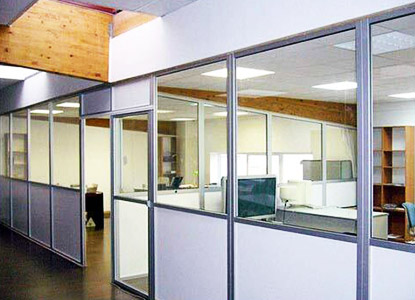
Indias varied climates from humid coasts to hot interiors and dusty industrial cities demand thoughtful material selection. Clear toughened glass is common for general office cabins, but in harsh sun‑exposed areas, tinted or low‑E glass can reduce glare and heat gain. For privacy, many clients choose frosted or fabric‑laminated glass that still allows diffused light. In noisy zones near roads or factories, double‑glazed or laminated acoustic glass makes sense, especially for meeting rooms. Solid lower panels with gypsum or cement boards are practical where frequent contact is expected, such as corridors and workstations, because they resist impact better than bare glass. In wet or semi‑external areas, cement boards and aluminium‑composite panels perform better than standard gypsum. Always balance aesthetics with thermal comfort, sound control, and maintenance. Asking your contractor to propose two or three specification combinations with price differences will help you make an informed choice.
How Long Does Standard Aluminium Partition Installation Take?
Timeline is another key planning factor for aluminium partition work in India. After design approval and a token advance, contractors usually need a few days to a couple of weeks for material procurement and fabrication, depending on availability and project size. On site, aluminium channels are fixed first to floors, walls, and ceilings, followed by vertical and horizontal profiles. Glass and panels are then installed, sealed, and finished. For a small office with a few cabins, fit‑out might take three to seven working days if the site is ready and accessible. Larger projects spanning several floors or involving complex details may stretch over multiple weeks. Coordination with electricians, HVAC, and false ceiling teams is crucial to avoid rework. You can shorten timelines by freezing drawings early, granting clear site access, and avoiding last‑minute design changes.
What Legal Or Safety Rules Should You Check?
While aluminium partitions rarely affect building structure, safety and compliance should not be ignored. Many Indian cities follow National Building Code guidelines or local fire regulations that may limit the use of combustible materials or specify minimum corridor widths. In high‑rise buildings, fire escape routes must remain unobstructed, and some authorities restrict full‑height glass near staircase enclosures. Toughened or laminated safety glass is recommended for doors and low‑level glazing to reduce injury risk if breakage occurs. For hospitals, labs, or factories, specialised glass and board types may be required for hygiene, chemical resistance, or radiation shielding. Always ask your architect or building manager whether your partition layout and materials meet the necessary approvals. A responsible contractor will design door swings and access in line with fire‑exit requirements and avoid fixing frames directly to fire doors or critical structural members.
How Do You Keep Projects Within A Fixed Budget?
Controlling cost starts with prioritising where performance really matters. For instance, you might choose premium acoustic glass only for key meeting rooms and directors cabins, while using economical glass or solid panels elsewhere. Standardising partition heights and module sizes reduces cutting wastage and labour. Simple rectangular layouts are cheaper to execute than heavily stepped or curved designs. Selecting reliable but mid‑range hardware instead of luxury brands can save significantly without impacting usability. Ask contractors to break quotations into material, labour, and hardware categories so you can adjust specifications if needed. Avoid frequent design changes once fabrication has begun, because alterations lead to scrap and rework. Finally, plan partitions as part of the overall interior from the start, rather than adding them late, so that electrical, data, and HVAC services are coordinated and you do not pay twice for modifications.
Conclusion
When you understand what drives pricing and performance, aluminium partition work in India becomes much easier to plan and budget. Profiles, glass types, solid panels, hardware, and layout complexity all influence the final cost, but each element can be tuned to your priorities. Investing a little more in critical surfaces, safety glass, and reliable hardware often pays off in longevity and fewer repairs. Accurate measurements, clear drawings, and early coordination with other trades help avoid delays and surprise expenses. Above all, transparency with your contractor regarding budget limits, timelines, and expectations creates a smoother project for everyone involved. With careful planning, you can achieve stylish, flexible interiors that respect both your financial constraints and your long‑term operational needs.