Corrugated Box Manufacturing Trends in India
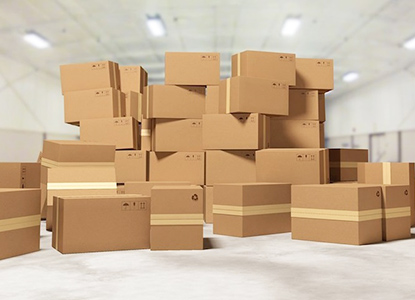
Corrugated Box Manufacturing Trends in India are currently being shaped by the explosive growth of the e-commerce sector, which demands robust, cost-effective, and protective shipping solutions. The rapid rise of online shopping platforms has necessitated the production of boxes that can withstand the rigours of multiple touchpoints in the logistics chain, from warehousing to last-mile delivery. Consequently, manufacturers are focusing on increasing the compression strength and burst factor of their cartons to prevent damage during transit. There is also a noticeable trend towards "right-sizing" packaging, where boxes are custom-designed to fit products precisely, thereby eliminating the need for excessive void-fill materials like bubble wrap and foam peanuts. This optimisation not only reduces waste but also optimises shipping volume, allowing logistics companies to transport more goods in a single trip. Automation in box making, including automatic folder-gluers and rotary die-cutters, is becoming standard to meet the high-volume demands of retail giants and industrial clients alike.
Corrugated Box Manufacturing Trends in India also highlight a significant move towards premiumisation and branding through packaging, transforming the humble brown box into a marketing tool. With the advent of high-quality digital and flexo printing technologies, businesses are now able to print intricate graphics, QR codes, and brand stories directly onto the corrugated surface. This "unboxing experience" has become crucial for customer retention, especially in the D2C (Direct-to-Consumer) market. Beyond aesthetics, there is a technical evolution occurring with the use of 5-ply and 7-ply automatic plants that produce stronger boards with better flute consistency. These advancements allow for the creation of heavy-duty boxes capable of replacing wooden crates for industrial machinery and export goods. The shift towards kraft paper with higher GSM (Grams per Square Meter) and Bursting Factor (BF) ensures that Indian corrugated boxes meet international export standards, making them competitive in global markets.
Corrugated Box Manufacturing Trends in India remain deeply rooted in sustainability, as corrugated board is one of the most recycled packaging materials in the world. The industry relies heavily on recycled paper mills for raw material, creating a robust loop of reuse that minimizes environmental impact. Current trends show a preference for unbleached, natural kraft liners which require fewer chemicals to produce compared to white, bleached alternatives. Manufacturers are also innovating with water-resistant coatings that are biodegradable, offering protection against humidity a common challenge in Indias tropical climate without rendering the box unrecyclable. Furthermore, the consolidation of the industry is leading to better organized supply chains and standardized quality controls. As sustainability regulations tighten, the inherent eco-friendliness of corrugated packaging positions it as the preferred choice for companies looking to reduce their carbon footprint while maintaining high structural integrity for their products.