Emergency Response Team Availability India
Emergency Response Team Availability India is the backbone of the acute healthcare delivery system, ensuring that medical help is accessible at any hour of the day or night. The concept of 24/7 availability is non-negotiable in emergency medicine, as medical crises do not follow a schedule. Hospitals across India maintain dedicated rosters to ensure that qualified emergency physicians, nurses, and paramedics are always on site. This availability extends beyond just the doctors; it includes the readiness of diagnostic labs, blood banks, and pharmacies. When a patient rushes to the hospital at 3 AM with chest pain, the system ensures that a triage nurse assesses them immediately, an ECG is taken within minutes, and a doctor interprets the results instantly. This round-the-clock readiness is what separates an emergency department from a standard clinic.
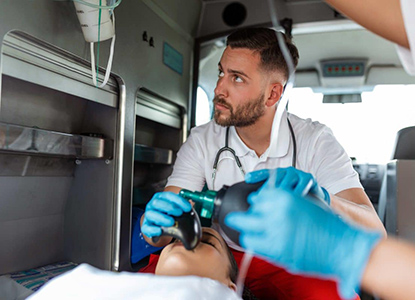
Emergency Response Team Availability India relies heavily on the efficiency of pre-hospital transport systems, specifically ambulances equipped with Advanced Life Support (ALS). In recent years, India has seen a surge in private and government-run ambulance networks that aim to reduce response times in heavy traffic conditions. These ambulances are often staffed with trained EMTs who can initiate treatment while route to the hospital. The "Green Corridor" system initiated by traffic police in various Indian cities is another example of how infrastructure supports emergency availability, allowing organs or critical patients to be transported rapidly. Furthermore, telemedicine serves as an extension of this availability, allowing doctors to guide paramedics or patients in remote areas until physical help arrives.
Emergency Response Team Availability India serves as a reassurance to the public that safety nets are in place for unforeseen medical events. Whether it is a festival, a sporting event, or a regular workday, emergency teams are constantly on standby. Corporate hospitals and large government institutions conduct regular mock drills to test their readiness for mass casualty incidents, such as building collapses or fires. This preparation ensures that when a disaster strikes, the mobilization of resources is swift and organised. The commitment of these medical professionals to work long hours, weekends, and holidays is commendable. Their unwavering presence ensures that healthcare in India is not just a service but a continuous promise of protection and care for every citizen, regardless of the time or day.