Explore Different Tea Leaves And Suppliers Across India
Indias tea landscape is astonishingly diverse, stretching from the misty Himalayan foothills to the rolling plateaus of the south. Each region, estate, and processing style produces distinct flavours, colours, and aromas that appeal to different consumer segments. For buyers whether they run cafés, hotels, retail brands, or online shops understanding this diversity is essential to curating a compelling tea menu. It also helps you choose suppliers who specialise in the origins and styles your customers will love. In this blog, we explore key growing regions, compare famous teas, highlight emerging herbal and specialty trends, and discuss how to work with Indian suppliers who prioritise quality, creativity, and sustainability.
What Are The Main Tea-Growing Regions In India?
Indias tea map is dominated by a few iconic regions, each offering its own character. Assam, in the northeast, is known for lush, low‑lying gardens that produce bold, malty teas ideal for breakfast blends and masala chai. Darjeeling, perched in the Himalayas, yields lighter, aromatic teas often called the “Champagne of teas”, prized for their floral complexity. Nilgiri in South India delivers fragrant, brisk teas that perform beautifully in blends and iced teas. Smaller but noteworthy regions like Kangra and Dooars add further variety. When choosing suppliers, check which regions they specialise in and how they maintain consistent quality across different harvests and estates.
How Do Assam, Darjeeling And Nilgiri Teas Differ?
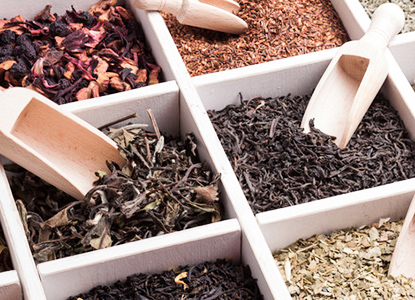
Assam teas are typically full‑bodied, with a robust, malty profile that stands up well to milk and spices, making them ideal for strong chai. Darjeeling teas are more delicate, often featuring muscatel, floral, and fruity notes that shine when enjoyed without milk. Nilgiri teas strike a balance: bright, fragrant, and versatile, suitable for both hot cups and cold brews. Each origin also offers multiple flushes and leaf grades, from fine whole leaves to economical CTC granules. Suppliers who handle all three origins can help you design a menu that covers strong everyday brews, refined connoisseur options, and refreshing blends for modern, health‑conscious consumers.
Which Specialty And Herbal Teas Are Gaining Popularity?
Demand is rising rapidly for teas that promise both pleasure and wellness. Indian suppliers now craft a wide range of specialty products: white teas with subtle sweetness, smoky or floral oolongs, and carefully curated single‑estate lots. Herbal and Ayurvedic blends featuring tulsi, ashwagandha, lemongrass, chamomile, and spices like ginger and cardamom are especially popular with wellness‑focused buyers. Flavoured teas think hazelnut black, rose green, or mango oolong offer indulgent experiences without excessive calories. When exploring suppliers, ask about their in‑house blending and flavouring capabilities, natural versus artificial flavour use, and their ability to customise recipes that align with your brands health and taste positioning.
How Should Cafes And Hotels Choose Their Tea Range?
Foodservice businesses need a tea list that balances simplicity for staff with excitement for guests. Start with a strong base: a robust breakfast blend, a soothing masala chai, classic green tea, and a few herbal infusions like mint or chamomile. Then add signature offerings perhaps a single‑origin Darjeeling, a seasonal iced tea, or a house masala blend that differentiate your menu. Work with suppliers who can suggest options tailored to your cuisine, price point, and service style, whether buffet, à la carte, or room service. Pre‑portioned tea bags may make operations easier, while loose leaf in stylish pots can elevate the experience in premium outlets.
What Sustainability Practices Should Tea Suppliers Follow?
Sustainability in tea goes beyond eco‑friendly packaging it begins at the garden. Responsible suppliers often partner with estates that promote soil health, shade trees, biodiversity, and fair labour practices. Certifications like Rainforest Alliance or Fairtrade can be helpful indicators, but real commitment shows in long‑term community projects, reduced chemical inputs, and transparent supply chains. Many suppliers now invest in recyclable or compostable packaging and actively reduce waste in processing. When evaluating partners, ask how they support worker welfare, manage energy and water use, and ensure ethical sourcing. Aligning your brand with such suppliers not only protects the planet but also resonates with conscious consumers.
How Can You Store Tea Leaves For Maximum Freshness?
Even the best tea loses character if stored poorly, so sound storage practices are crucial for maintaining flavour and aroma. Keep teas in airtight containers away from light, heat, moisture, and strong odours, which can quickly degrade delicate notes. Bulk buyers should use food‑grade, sealed packaging and avoid frequent opening of large sacks; decanting into smaller containers for daily use helps. Ask suppliers about their recommended shelf life for each style green and white teas are more fragile than strong black or chai blends. Regular rotation, clear batch labelling, and simple quality checks before packing for customers ensure that every cup reflects the true potential of the leaves you sourced.
Conclusion
Exploring Indias tea diversity reveals a world of possibilities for brands, cafés, and distributors seeking to delight their customers. Understanding the strengths of Assam, Darjeeling, Nilgiri, and emerging regions, as well as the rise of specialty and herbal blends, allows you to craft a range that feels both coherent and exciting. Working closely with suppliers who respect sustainability and share storage best practices ensures that these flavours remain vibrant from garden to cup. As you deepen your knowledge and refine your sourcing strategy, Indias vast network of tea growers and processors becomes a powerful ally in building a distinctive, future‑ready tea portfolio.