
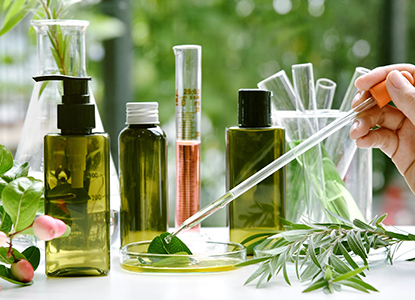
Exploring Organic and Herbal Beauty Cosmetic Manufacturing Opportunities in India
Introduction:
The rise of conscious consumers has turned the spotlight on organic and herbal beauty products, making the best beauty cosmetics manufacturers in India pivotal players in this movement. Indias rich heritage of Ayurveda, Siddha, and Unani traditions, combined with diverse botanicals and essential oils, offers a powerful foundation for natural formulations. At the same time, modern labs and export‑oriented factories are translating this heritage into globally acceptable, safety‑tested product lines. Entrepreneurs worldwide now look to India not only for competitive pricing but also for authentic, plant‑based stories. This blog explores why organic and herbal manufacturing in India is booming, what ingredients and technologies drive it, and how brands can leverage these opportunities responsibly and profitably.
Why Are Organic and Herbal Cosmetics Growing Fast in India?
Organic and herbal cosmetics are expanding rapidly in India due to evolving consumer awareness and lifestyle priorities. Shoppers are questioning harsh chemicals, worrying about long‑term skin health, and seeking products free from sulfates, parabens, and mineral oils. Traditional home remedies like turmeric masks or coconut‑oil massages have always existed, but modern brands now package these rituals in convenient, science‑backed formats. Growing disposable incomes and digital exposure to global wellness trends amplify the demand. During and after the pandemic, concern about immunity and holistic health further pushed people toward clean beauty. As a result, manufacturers who can combine botanicals with dermatological safety are in high demand, both for domestic brands and international private label projects.
Which Natural Ingredients Are Most Popular for Formulations in India?
Natural ingredient diversity is one of Indias strongest assets in herbal cosmetic manufacturing. Brands frequently request classic ayurvedic heroes like neem, tulsi, ashwagandha, manjistha, brahmi, and bhringaraj for skincare and haircare lines. Oils such as coconut, sesame, almond, moringa, and jojoba are used as base carriers, while essential oils from lavender, tea tree, lemongrass, and rose add fragrance and targeted benefits. For brightening and anti‑aging claims, ingredients like turmeric, liquorice, saffron, and vitamin‑rich fruit extracts are favored. Meanwhile, plant‑derived surfactants, waxes, and emollients help create sulphate‑free, silicone‑free textures. Skilled Indian formulators know how to balance these actives for stability, sensory appeal, and safety, ensuring traditional botanicals meet modern expectations.
How Do You Verify Organic and Herbal Claims Legally in India?
Verifying organic and herbal claims in India requires more than using a few plant‑based ingredients. To label products as organic, you must rely on certified raw materials from recognized bodies and, ideally, work with factories audited by organisations such as ECOCERT or COSMOS. Documentation should trace ingredient origin, cultivation methods, and processing steps. For herbal or ayurvedic products, appropriate licences from AYUSH or state regulators are important, particularly if you reference classical texts or therapeutic indications. Labels must avoid misleading claims like “chemical free”, since even water is technically a chemical. Instead, use precise language such as “sulphate-free”, “paraben-free”, or “contains 95% natural-origin ingredients”, backed by test reports and supplier certificates.
What Production Technologies Support Gentle Herbal Processing in India?
Modern Indian cosmetic plants use specialized technologies to preserve the potency of herbal actives. Controlled‑temperature extraction systems help capture delicate phytochemicals without degrading them, while cold‑pressed oils retain more antioxidants and nutrients. Filtration techniques remove impurities while maintaining efficacy. Emulsification and homogenization equipment ensure smooth textures, preventing phase separation in creams and lotions. Some manufacturers invest in in‑house distillation units for hydrosols and essential oils, ensuring traceability. Encapsulation technologies, such as liposomes or microspheres, are also emerging, enabling slow release of natural actives for longer‑lasting results. By blending traditional knowledge with these gentle yet precise processes, Indian factories can craft high‑performance herbal products suitable for sensitive skin and international markets.
How Can You Position Organic Brands for Global Exports from India?
To position organic and herbal brands from India for exports, you must align storytelling with rigorous compliance. International customers appreciate Indias ayurvedic legacy, but retailers and regulators demand verifiable standards. Begin by targeting specific markets EU, Middle East, North America, or Southeast Asia and understand their cosmetic regulations and documentation needs. Work with manufacturers who already export and can provide safety assessments, PIFs, or region‑specific dossiers. Tailor packaging and claims to local preferences; for example, some markets prefer fragrance‑free skincare, while others favor rich scents. Highlight traceable sourcing, fair‑trade practices, and eco‑friendly packaging to stand out. Combining authentic Indian botanicals with transparent science and sustainability messages creates a compelling global proposition.
What Future Trends Will Shape Herbal Beauty Manufacturing in India?
Several trends are shaping the next wave of herbal beauty manufacturing in India. Consumers are shifting from generic “natural” claims toward evidence‑backed actives, expecting clinical‑style results from plant‑based products. This pushes labs to invest in standardized extracts and efficacy studies. Personalization is growing, with products tailored to local climate, pollution levels, or specific hair types like curls and coils. Waterless formats solid shampoos, cleansing bars, and concentrated serums are gaining attention for sustainability and travel convenience. There is also a rise in circular economy thinking, where by‑products from agriculture become cosmetic ingredients. Manufacturers that embrace traceability, eco‑design, and digital transparency will lead, offering brands innovative, credible, and planet‑friendly herbal solutions.
Conclusion:
Organic and herbal beauty cosmetics manufacturing in India stands at the intersection of ancient wisdom and cutting‑edge technology. By tapping into Indias botanical richness, experienced formulators, and increasingly sophisticated production facilities, brands can develop product ranges that satisfy both emotional and rational expectations of heritage, safety, and performance. However, success requires disciplined attention to regulatory compliance, truthful claims, and long‑term sustainability practices. Whether you are building a boutique niche label or a global export‑oriented portfolio, choosing the right Indian partners for sourcing, formulation, and certification is critical. Done thoughtfully, collaborations with these manufacturers enable you to ride the global wave of conscious, plant‑powered beauty while creating lasting value for customers and communities alike.