Finding the Perfect Professional Kitchen Knives for Hotels and Restaurants Online
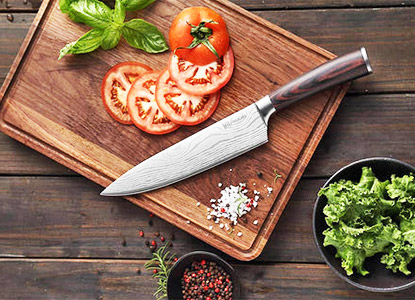
The heart of any hotel or restaurant is its kitchen, and the heart of the kitchen is the chefs knife. For culinary professionals, a knife is an extension of their hand, a tool that dictates the speed, safety, and precision of their work. Sourcing the best professional chef knives in India is a top priority for head chefs and procurement managers alike. With the culinary industry in India booming, the demand for high-grade, durable, and ergonomic cutting tools has never been higher. This blog delves into the essential aspects of selecting commercial-grade knives, understanding the different types required for a fully functional kitchen, and why investing in quality cutlery is non-negotiable for any serious food establishment.
What distinguishes a professional chef knife from a regular home knife?
The primary difference lies in the build quality, balance, and material. Professional chef knives in India are designed to endure hours of continuous chopping, slicing, and dicing every single day. Unlike home knives, which may use softer steel, professional blades often utilize high-carbon stainless steel that holds a razor-sharp edge for longer periods. Additionally, the bolster (the junction between the handle and the blade) in professional knives is designed to provide better balance and safety, preventing the finger from slipping onto the blade. The handle materials are also different; commercial kitchen tools in India often feature textured, non-slip synthetic handles that are hygienic and can withstand high-temperature commercial dishwashers, unlike the wooden handles often found on domestic knives.
Why is high-carbon stainless steel preferred for commercial kitchen blades?
High-carbon stainless steel is the gold standard for hotel kitchen equipment in India because it offers the best of both worlds. The "high carbon" element allows the steel to be hardened to a higher degree, meaning it can take a sharper edge and keep it longer than standard stainless steel. The "stainless" element ensures the blade is resistant to rust and corrosion, which is vital in a kitchen environment where acidic foods like lemons and tomatoes are cut frequently. This combination reduces the frequency of sharpening needed during a busy service and ensures the knives remain sanitary and free from oxidation, which could otherwise taint the flavour of the food.
How do different handle designs impact the ergonomics for chefs?
Chefs often work 10 to 12-hour shifts, and holding a knife for that duration can lead to fatigue or injury if the ergonomics are poor. The handle design is critical. Restaurant cutlery suppliers in India offer various grip styles, from traditional riveted handles to molded ergonomic grips. A well-designed handle fits the natural curve of the hand, reducing strain on the wrist and forearm. Balance is also key; a knife that is too heavy in the handle or the blade will require more effort to control. For tasks requiring force, like using meat cleavers in India, a thicker, more robust handle is needed to absorb the shock, whereas delicate tasks require lighter, slimmer handles for dexterity.
Which essential knives should every professional Indian kitchen inventory include?
A professional kitchen is not a "one-knife-fits-all" environment. A standard inventory must include a Chefs knife for general utility, paring knives in India for peeling and intricate work, and serrated bread knives in India for cutting soft products with hard crusts without crushing them. Furthermore, specialized stations need specific tools. The butchery section requires boning knives in India which have flexible blades to move around bones, and heavy cleavers for chopping. The garde manger (cold kitchen) relies heavily on sharp vegetable cutting tools in India for garnishes and salads. Having the correct specific tool for each task increases speed and reduces food wastage.
How does proper blade balance improve cutting speed and safety?
Blade balance refers to the weight distribution between the handle and the blade. When a chef uses butcher knife sets in India, perfect balance allows the knife to rock effortlessly on the cutting board. If a knife is unbalanced, the chef has to apply extra pressure to keep it level, which slows down the prep time and increases the risk of slipping. In a high-pressure commercial kitchen, speed is money, but safety is paramount. A balanced knife acts as a pivot, doing the work for the chef. This is particularly important for chopping herbs or onions rapidly; a balanced knife follows the rhythm of the hand, while an unbalanced one fights against it.
Where can restaurants find reliable bulk knife suppliers with warranties?
Finding the right supplier is as important as finding the right knife. Restaurants should look for restaurant cutlery suppliers in India that offer B2B services, including bulk pricing and warranties. A warranty is a sign of confidence in the manufacturing quality. Reliable suppliers will often provide a catalogue of commercial kitchen tools in India that includes detailed specifications about the steel type and Rockwell hardness. It is advisable to visit trade shows or look for established online distributors who specialize in hospitality supplies. These suppliers often provide after-sales support, such as sharpening services or replacements for manufacturing defects, ensuring the kitchen never grinds to a halt.
Conclusion:
To conclude, outfitting a professional kitchen requires careful consideration of the tools provided to the culinary team. From the versatile Chefs knife to specialized boning knives in India, every tool plays a role in the symphony of food preparation. Investing in high-quality professional chef knives in India ensures that your kitchen operates efficiently and safely and produces food of the highest standard. By understanding the materials, ergonomics, and specific uses of these tools, restaurant owners and chefs can make informed decisions that enhance their workflow and, ultimately, the dining experience of their guests.