Guide to Choosing the Reliable Serveware Products Supplier in India Today
A significant shift is occurring in the Indian dining landscape. The glitz and glamour of polished gold and pristine white china are making room for the raw, the rustic, and the responsible. As global consciousness shifts towards sustainability, the Indian hospitality industry is following suit. Restaurants and cafes are increasingly seeking serveware that tells a story of earthiness and ethical production. This movement is not just about being "green"; it is about an aesthetic that values texture, warmth, and imperfection. From terracotta pots that recall village roots to sleek bamboo fiber plates that speak of modern innovation, sustainable serveware is redefining luxury. This blog explores the rising trend of eco-friendly serveware, guiding businesses on how to integrate these elements to create an authentic and environmentally responsible dining atmosphere.
Why is there a surge in demand for terracotta and clay serveware?
Terracotta is deeply rooted in Indian culture. Historically used for water and curd, it is now finding its way onto the tables of premium restaurants. The surge in demand is driven by the desire for authenticity. Serving Dal Makhani in a clay pot or Chai in a Kulhad adds a layer of sensory nostalgia that modern ceramic cannot replicate. Beyond nostalgia, clay is porous and alkaline, which can subtly enhance the flavor of the food. It is also naturally insulating, keeping food warm. Suppliers in India are now innovating with "vitrified" terracotta, which retains the rustic look but is treated to be less porous and more hygienic for commercial use, bridging the gap between tradition and modern hygiene standards.
How does wooden serveware add warmth and texture to food presentation?
Wood brings an element of nature directly to the table. Its grain, colour, and texture offer a warm contrast to the starkness of industrial interiors often found in modern cafes. Wooden platters are exceptionally popular for serving appetizers, breads, and pizzas. They frame the food beautifully, making colours pop. Acacia, Mango wood, and Teak are popular choices in India due to their durability and resistance to water. However, sourcing is key; businesses must ensure the wood is food-safe and treated with natural oils rather than toxic varnishes. The tactile experience of wood makes the dining experience feel more grounded and organic, aligning perfectly with the "farm-to-table" culinary concepts.
What are the benefits of bamboo fiber and plant-based serveware?
For the eco-conscious fast-casual sector, bamboo fiber is a game-changer. It is a composite material made from bamboo pulp, often mixed with cornstarch. It is biodegradable, lightweight, and surprisingly durable. Unlike plastic, it does not contribute to landfill mass for centuries. In India, where single-use plastic bans are becoming stricter, bamboo fibre offers a reusable, compliant, and stylish alternative. It comes in matte finishes and pastel colours that appeal to a younger demographic. It is dishwasher safe (though usually not microwave safe), making it practical for cafes. Using such materials communicates a brands commitment to the environment, which can be a strong selling point for millennial and Gen Z customers.
How can artisanal and handcrafted stoneware differentiate a brand?
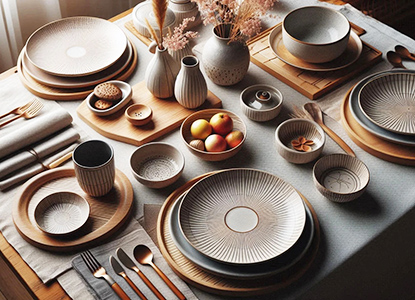
In a world of mass production, "handcrafted" spells luxury. Stoneware is fired at high temperatures, making it incredibly durable and chip-resistant, yet it retains a handcrafted look. No two pieces are exactly alike. This uniqueness is a powerful branding tool. When a guest sees a glaze that drips unevenly or a shape that is nOt a perfect circle, they understand that care went into choosing the item. It slows down the dining experience. Sourcing from local Indian artisans supports the rural economy and preserves traditional pottery techniques. Restaurants using such serveware are not just selling food; they are curating an art form, creating a unique narrative that mass-manufactured white plates simply cannot provide.
What are the maintenance challenges of sustainable serveware materials?
While beautiful, organic materials require more care than standard porcelain. Wood, for instance, cannot be soaked in water or put in a high-temperature dishwasher, as it will warp or crack. It requires periodic oiling to prevent drying out. Terracotta and unglazed stoneware can be porous, meaning they might absorb strong odors or oils if not cleaned immediately and thoroughly. Bamboo fiber can be brittle if dropped on hard surfaces. Staff training is crucial here. They need to know that the "clay pot" requires a gentler scrub than the steel kadhai. Businesses must weigh the aesthetic benefits against the higher labor cost involved in maintaining these items to ensure they remain hygienic and presentable.
How does eco-friendly serveware impact the perception of food pricing?
Interestingly, customers are often willing to pay a premium for food served in sustainable, high-quality serveware. The perception is that if a restaurant cares enough to source ethical, non-toxic, natural serveware, they likely apply the same rigor to their ingredients. A simple salad looks like a premium dish when served in a hand-carved wooden bowl compared to a plastic plate. This "halo effect" allows restaurateurs to justify higher price points. It signals a holistic quality approach. Consequently, the investment in slightly more expensive, sustainable serveware can yield a high Return on Investment (ROI) through increased perceived value and customer loyalty.
Conclusion
The shift towards sustainable and rustic serveware is more than a fleeting trend; it is a reflection of a maturing market that values connection to the earth, to tradition, and to health. For Indian businesses, the options are vast, from the clay pits of Gujarat to the timber yards of Saharanpur. By embracing materials like stoneware, wood, and bamboo, restaurants can create a distinct identity that resonates with the modern diner. While these materials demand more care, the payoff in terms of aesthetics, customer experience, and brand reputation is immense. As the world moves forward, looking back to these natural materials might just be the most forward-thinking decision a hospitality business can make.