
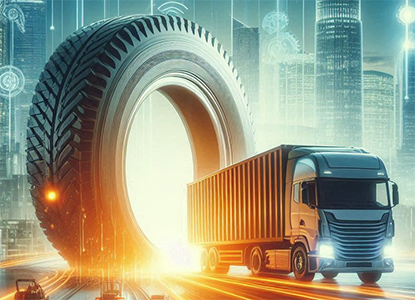
Heavy Commercial Vehicle Tyre Growth
Heavy Commercial Vehicle Tyre Growth is witnessing an unprecedented surge due to the rapid expansion of logistics networks and infrastructure development across the subcontinent. The demand for robust tyres that can handle heavy payloads over long distances is the primary driver for this industry. Manufacturers are now designing tyres specifically engineered to endure the heat and friction generated on Indian highways. These tyres feature reinforced sidewalls and specialised tread compounds that resist cuts and chips, which are common in rough terrain. The shift from bias tyres to radial tyres in the commercial segment is a major trend, as fleet owners realise the long-term cost benefits regarding fuel economy and tyre longevity. This evolution in manufacturing ensures that goods are transported safely and efficiently, reducing downtime for logistics companies and boosting the overall supply chain efficacy.
Heavy Commercial Vehicle Tyre Growth is also heavily influenced by the integration of technology into tyre management systems. Modern fleet operators are looking for smart tyres equipped with sensors that monitor pressure and temperature in real-time. This data helps in predictive maintenance, preventing sudden blowouts that could lead to accidents or delivery delays. Manufacturers are responding to this need by embedding RFID tags and developing companion apps for tyre health monitoring. Furthermore, the retreading industry is closely linked to commercial tyres; high-quality casings produced by top manufacturers allow for multiple retreads, extending the lifecycle of the tyre significantly. This aspect of sustainability and cost-effectiveness is crucial for the price-sensitive Indian market, making the durability of the initial casing a top priority for production units.
Heavy Commercial Vehicle Tyre Growth faces challenges such as fluctuating raw material prices and stringent environmental regulations, yet the outlook remains positive. The governments push for scrappage policies and stricter safety norms is encouraging fleet owners to replace old, unsafe tyres with new, compliant ones. Consequently, manufacturers are expanding their production capacities and investing in R&D to create compounds that offer lower rolling resistance without compromising on grip. The focus is also shifting towards tubeless radial tyres for buses and trucks, which offer better safety margins and cooler running temperatures. As India continues to build world-class motorways, the requirement for high-speed, high-load-capable tyres will define the future trajectory of this sector, ensuring that the heavy commercial vehicle segment remains a pillar of the automotive industry.