
How Biotechnology Coaching in India Builds Strong Foundations
Biotechnology coaching in India has grown rapidly as more students discover the vast career possibilities in research, healthcare, agriculture, and industry. While college curricula provide theoretical knowledge, many learners find it difficult to connect concepts, remember intricate pathways, and apply them in exams. Coaching institutes step in with a focused approach that blends life science fundamentals with exam-specific strategies. Whether you aim for top universities, government research labs, or private biotech companies, strong basics are non‑negotiable. Thoughtfully designed biotechnology coaching helps students revise systematically, practise regularly, and stay motivated across long preparation cycles. When done well, it does not replace classroom learning; instead, it amplifies it and turns scattered information into a solid conceptual foundation.
What Is Biotechnology Coaching in India All About?
Biotechnology coaching in India is more than just extra tuition it is a structured ecosystem built around the needs of science students. Institutes plan yearly or semester-wise schedules that cover topics like cell biology, genetics, biochemistry, microbiology, and molecular biology in a logical order. Classes are usually interactive, with the teacher breaking complex diagrams, mechanisms, and pathways into understandable chunks. Students receive summarised notes, flowcharts, and topic-wise question sets that support regular revision. Many centres also include doubt-clearing sessions and weekly tests so learners stay continuously engaged. In short, biotechnology coaching provides a guided path through an otherwise overwhelming syllabus, helping students convert effort into measurable progress and exam-ready confidence.
How Do Coaching Institutes Design Their Biotechnology Curriculum?
Good biotechnology coaching institutes in India reverse‑engineer their curriculum from exam patterns and university syllabi. They start by mapping key topics from boards, BSc/MSc courses, and competitive exams like GATE and IIT JAM. Each topic is then broken into modules that fit into weekly plans, ensuring steady coverage without last-minute rush. Teachers often use a mix of theory discussions, problem-solving, and application-based questions. Many institutes categorize topics as high‑weightage, tricky, or foundational, giving students a clear sense of priority. Regular assignments and checkpoints help the faculty track whether students are actually absorbing lessons. This planned, data‑driven curriculum design is what separates serious biotechnology coaching from casual tuition classes.
Why Is Faculty Quality Critical in Biotechnology Coaching?
The heart of any biotechnology coaching in India is its faculty. Experienced teachers who have researched or worked in biotech-related fields bring invaluable context to classroom explanations. They can connect textbook content with real-world applications like vaccines, gene therapy, or GM crops, making topics memorably relevant. Faculty quality also shows up in how doubts are handled—whether they are brushed aside or turned into teachable moments. Knowledgeable teachers anticipate common misconceptions, design better examples, and simplify difficult ideas without diluting accuracy. Their mentorship can influence not only exam performance but also a students interest in pursuing higher studies or research. When evaluating an institute, looking closely at faculty background is absolutely essential.
How Do Practical Sessions Enhance Biotechnology Learning?
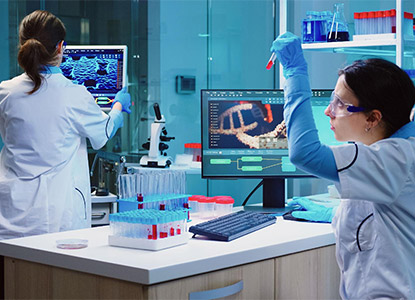
While many coaching institutes focus on theory, some take a step further by integrating practical exposure into biotechnology coaching in India. They may conduct virtual labs, case studies, or demonstration experiments that mirror real laboratory workflows. Even when full wet-lab facilities are not possible, analysing research papers or discussing experimental design sharpens scientific thinking. Students begin to see how PCR, electrophoresis, cloning, or fermentation are used in diagnostics or industry. This practical perspective not only improves conceptual understanding but also makes learning more engaging. When theory and application are linked, students find it easier to recall concepts during exams and interviews, and they gain a clearer vision of how biotechnology operates in the real world.
What Support Do Students Receive Beyond Classroom Teaching?
Strong coaching institutes understand that biotechnology success is not only about lectures; it is also about guidance and emotional support. Many offer academic counselling sessions to help students choose suitable exams, timelines, and higher‑study options. Regular parent–student–teacher interactions may be organized for school‑level learners. Some centers provide test series with detailed analytics, tracking accuracy, speed, and topic-wise performance. Others host motivational talks by alumni who have cracked prestigious exams or secured research positions. This ecosystem of mentoring, counselling, and peer interaction creates an environment where students stay focused and resilient. Ultimately, such holistic support can be as important as the quality of notes or classroom teaching.
How Can You Evaluate A Biotechnology Coaching Institute?
Choosing the best biotechnology coaching in India requires careful research. Start by checking past results, but do not trust glossy brochures alone look for genuine student feedback and independent reviews. Visit the campus or attend an online demo class to observe teaching style, clarity, and interaction level. Ask about batch size, faculty qualifications, and how doubts are resolved. Study the sample notes and test papers to judge depth and relevance. Compare fee structures, refund policies, and whether online or hybrid options exist to suit your schedule. A good institute will be transparent, answer questions patiently, and focus on long‑term learning rather than quick sales pitches.
Conclusion
Biotechnology coaching in India can be a powerful accelerator when paired with dedicated self‑study and curiosity. The right institute strengthens fundamentals, sharpens exam strategy, and exposes students to real‑world biotech possibilities. Instead of chasing big names blindly, aspirants should prioritise faculty quality, curriculum design, and student support systems. With these elements in place, coaching becomes more than just exam preparation it becomes a foundation for a sustainable and rewarding career in one of the worlds most exciting scientific domains.