How High-Quality MCBs Improve Safety and Efficiency in Modern Electrical Systems
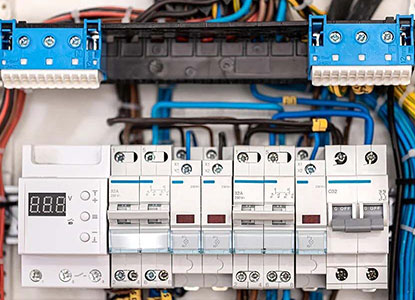
Modern electrical infrastructures depend heavily on reliable protection devices, and high-quality MCBs (Miniature Circuit Breakers) play a crucial role in ensuring smooth, safe, and efficient power distribution. Their advanced features make them essential components in homes, industries, and commercial spaces.
- Prevents Electrical Overload: High-quality MCBs instantly detect overload conditions and cut off power, preventing overheating, wire damage, and potential fire hazards, ensuring long-term safety for electrical systems and connected devices.
- Protects Against Short Circuits: Superior MCBs provide rapid response to short circuit faults, reducing the risk of equipment failure and major accidents by isolating the circuit before dangerous current levels spread.
- Enhances System Reliability: Premium MCBs maintain stable performance under varying loads, ensuring consistent power supply and reducing unexpected tripping, which helps improve overall electrical system dependability.
- Increases Energy Efficiency: With low power loss and optimized internal mechanisms, high-quality MCBs contribute to energy-efficient operation, reducing unnecessary energy consumption and improving overall performance in residential and industrial settings.
- Improves Operational Lifespan of Appliances: By providing accurate current protection, high-quality MCBs help protect appliances from voltage surges and irregularities, extending their operational life and minimizing repair or replacement costs.
- Reduces Maintenance Requirements: Reliable MCBs are designed to operate flawlessly for years, reducing maintenance frequency, minimizing downtime, and lowering operational expenses for both small and large electrical installations.
- Offers Better Arc Protection: Advanced MCBs come with superior arc quenching technology that safely extinguishes electrical arcs during faults, preventing component damage and enhancing user safety.