
How to Choose the Best Plastic Products Manufacturer in India
Introduction:
Selecting the best plastic products manufacturer in India can directly influence your product quality, brand reputation, and profitability. With hundreds of suppliers available, it is easy to feel overwhelmed or to choose based only on price, which often leads to quality issues and delivery delays. A smarter approach is to evaluate potential partners using clear technical, commercial, and service-related criteria. You should examine their machinery, certifications, material expertise, and ability to support design and development. At the same time, you must consider the total cost of ownership, not just per-piece pricing. This blog breaks down the essential questions you must ask before finalising a plastic manufacturing partner in India so you can build a long-term, reliable supply chain.
What certifications should a plastic manufacturer in India have?
When shortlisting a plastic manufacturer in India, certifications are a strong indicator of process reliability and product consistency. An ISO 9001 certification shows that the company follows documented procedures and continuous improvement practices. If you are in food, pharma, or healthcare, you should also confirm compliance with food-grade or pharma-grade standards and look for proper material traceability. For export markets, ask whether the manufacturer understands or complies with RoHS, REACH, or other regional regulations. Certifications alone do not guarantee perfection, but they significantly reduce the risk of poorly managed processes. Reliable documentation, audit reports, and quality manuals provide transparency and help you build confidence in the manufacturers systems.
How important are machinery and technological capability in India?
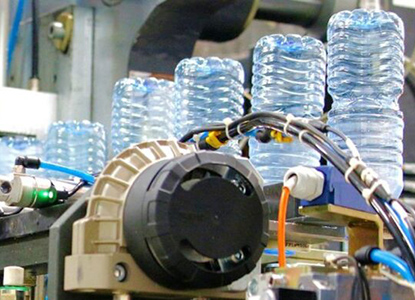
Technology is at the heart of high-quality plastic production in India. Modern injection molding machines with precise temperature and pressure control can hold tight tolerances and deliver consistent part weight and finish. When visiting a factory, look at the age and maintenance of machines, presence of automation (like robots or pick-and-place systems), and use of auxiliary equipment such as dehumidifiers and chiller units. Advanced tooling facilities and CAD/CAM software further help in designing robust molds that last longer and run faster cycles. A manufacturer who invests regularly in technology will be better equipped to handle complex geometries, high volumes, and new product introductions without compromising quality or delivery timelines.
What role does design and tooling support play?
Strong design and tooling support can transform a basic supplier into a genuine manufacturing partner. Many customers approach a custom plastic components supplier in India with only a concept or rough sketch. A capable manufacturer will offer DFM (Design for Manufacturability) suggestions, helping you refine wall thickness, draft angles, ribs, and textures. Their in-house tool room can produce moulds faster and modify them quickly when needed. Good tooling reduces part defects like warp, sink marks, and flash, while also optimizing cycle time. By working closely during the design stage, you avoid costly changes later and launch products faster. Always ask whether the manufacturer can share 3D models, mould flow analysis, or prototypes before freezing the final design.
How can you evaluate material expertise and application knowledge?
Different applications require different polymers, additives, and performance characteristics. The best plastic products manufacturer in India should be able to suggest appropriate materials for your use case whether it is impact-resistant automotive trim, food-safe storage containers, or chemical-resistant industrial parts. Ask about their experience with materials like PP, ABS, PC, HDPE, LDPE, Nylon, and engineering plastics. Check if they understand UV resistance, flame retardancy, and regulatory requirements for specific industries. A knowledgeable team will guide you on material availability, colour matching, recyclability, and cost-performance trade-offs. This expertise minimises failures in the field and ensures that your products perform reliably under real-world conditions.
What commercial and logistical factors should you consider?
Commercials go beyond initial quotations. While affordable plastic solutions in India are attractive, you must analyze tooling cost, payment terms, lead times, and MOQs. Check whether the manufacturer can ramp up production if your demand suddenly increases. Review their raw material sourcing strategy and ask how they manage price fluctuations. Logistics is equally important: evaluate their packing standards, labeling, palletization, and shipment methods to prevent transit damage. Reliable manufacturers maintain safety stock for critical parts, share realistic delivery schedules, and communicate proactively about any potential delays. A balanced view of cost, flexibility, and reliability will help you choose a partner who supports your business growth.
How do communication and after-sales support impact your choice?
Even the most advanced factory can fail you if communication is weak. You need a manufacturer who responds quickly to emails, shares clear production plans, and updates you on any risks. Evaluate how they handle complaints or rework: do they analyse root causes and implement corrective actions, or just offer temporary fixes? Good after-sales support includes technical guidance, regular quality reviews, and willingness to collaborate on cost-reduction projects. When a household plastic products brand in India or an industrial client feels heard and supported, trust grows naturally. Over time, this collaboration leads to better designs, smoother launches, and fewer supply-chain surprises.
Conclusion:
Choosing the best plastic products manufacturer in India requires a structured approach that looks beyond basic pricing. You must analyze certifications, machinery, design and tooling capabilities, material expertise, commercial flexibility, and communication style. By asking the right questions and visiting facilities where possible, you reduce the risk of quality problems and delays that can damage your brand. Instead, you build a stable, long-term partnership with a manufacturer who understands your industry and helps you innovate. In a competitive environment, the right plastic manufacturing partner in India can become a key differentiator, enabling you to deliver superior products consistently and profitably to your customers.