
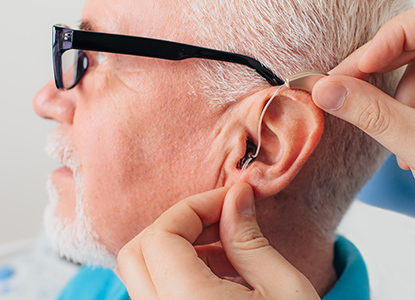
Modern Digital Hearing Aid Technology
Modern Digital Hearing Aid Technology has revolutionised the way individuals with hearing loss experience the world, moving far beyond the capabilities of old analogue devices. Todays hearing aids are essentially miniature computers that sit comfortably in or behind the ear. They possess the ability to process sound at incredible speeds, distinguishing between speech and background noise. This is particularly important in a country like India, where environmental noise levels can be extremely high. The technology allows the device to suppress traffic noise or the hum of an air conditioner while amplifying the voice of the person speaking directly to the user. This signal-to-noise ratio improvement is vital for reducing the "listening effort" that often causes fatigue in people with hearing impairment. Furthermore, modern designs are sleek and discreet, addressing the cosmetic stigma that has historically discouraged many people from seeking help for their hearing issues.
Modern Digital Hearing Aid Technology includes connectivity features that integrate seamlessly with the users digital lifestyle. Most premium hearing aids now come equipped with Bluetooth technology, allowing users to stream phone calls, music, and television audio directly into their ears. This transforms the hearing aid into a high-quality wireless headset, providing clarity that was previously impossible to achieve. Additionally, smartphone applications have become a standard accompaniment to these devices. Users can adjust volume, change listening programs for different environments (like restaurants or quiet rooms), and even locate their hearing aids if lost, all through their phone screens. Artificial Intelligence (AI) is also making its way into these devices, learning the users preferences over time and automatically adjusting settings to provide the most comfortable listening experience possible without manual input.
Modern Digital Hearing Aid Technology also addresses the practical aspect of power and durability. The shift from disposable zinc-air batteries to built-in lithium-ion rechargeable batteries has been a game-changer for user convenience. A simple overnight charge can now provide a full day of hearing, eliminating the fiddly process of changing tiny batteries, which is often difficult for elderly users with reduced dexterity. Moreover, modern devices are built with higher IP ratings, making them resistant to dust, sweat, and moisture essential features for the humid Indian climate. Audiologists in India are now able to offer "Real Ear Measurement" to precisely tune these digital devices to the specific anatomy of the patients ear canal. This combination of advanced hardware and precise fitting ensures that individuals investing in hearing healthcare receive a solution that genuinely restores their quality of life and social connectivity.