Navigating Cost and Quality in Industrial Piping Investments
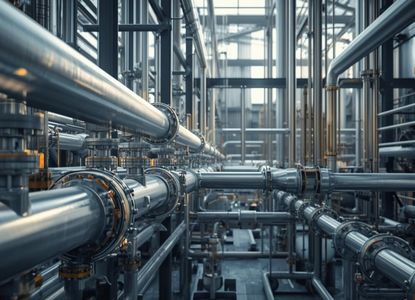
Investing in a piping system is a major capital expenditure for any industrial facility and understanding the financial dynamics is crucial for project viability. The Piping System Price in India is influenced by a multitude of factors ranging from raw material costs to manufacturing complexity. The primary driver of cost is the material of construction. While carbon steel remains the most economical choice for general utility lines utilizing stainless steel or exotic alloys for corrosive environments significantly increases the budget. Furthermore the method of manufacturing plays a role. Seamless pipes which are stronger and more reliable command a higher price than welded pipes due to the energy intensive production process. Buyers must also consider the impact of wall thickness and pipe diameter on the pricing structure. Experienced procurement managers understand that looking solely at the initial purchase price can be misleading. A cheaper pipe that requires frequent replacement due to corrosion or leakage will ultimately cost more in terms of maintenance and downtime. Therefore evaluating the total cost of ownership which includes installation, maintenance, and lifespan is the prudent approach to purchasing industrial piping.
Beyond the pipes themselves the efficiency and stability of the network depend on the quality of the auxiliary components provided by a specialized Piping System Equipment Supplier. These suppliers provide the essential hardware that supports and connects the piping network. Components such as expansion joints are critical for absorbing thermal growth and preventing stress on the pipe anchors. Similarly proper pipe supports and hangers are necessary to maintain alignment and prevent sagging which can lead to pooling and corrosion. The supplier also provides gaskets and fasteners that ensure leak proof connections at the flanges. Investing in high quality auxiliary equipment is essential for the safety and longevity of the entire system. A failure in a small gasket or a support bracket can lead to major system failures. Therefore selecting a supplier who sources these components from reputable manufacturers and ensures they match the specifications of the piping system is a critical step in the procurement process.
Partnering with a trustworthy Industrial Piping System Supplier allows businesses to navigate the trade off between cost and quality effectively. A reliable supplier provides transparent pricing and helps the client understand the technical justifications for cost differences. They can recommend value engineering options such as using different material grades for non critical lines to optimize the budget without compromising safety. For instance they might suggest using lined carbon steel pipes instead of solid alloy pipes for certain corrosive applications which can offer significant cost savings. Additionally suppliers often have established relationships with multiple manufacturers allowing them to negotiate better prices and pass those savings on to the client. They also assist in planning procurement schedules to take advantage of favorable market conditions. By working closely with a knowledgeable supplier industrial clients can build a high performance piping infrastructure that meets their technical requirements while remaining within their financial constraints ensuring a successful and profitable project outcome.