Online Versus Offline Medical Entrance Coaching Options In India
In recent years, medical entrance exam preparation in India has shifted from being purely classroom‑based to a mix of online, offline, and hybrid models. Students now have the freedom to choose how and where they study for NEET and other medical exams. This flexibility is especially important for aspirants from smaller towns, those with financial constraints, or those balancing school with other responsibilities. However, too many options can also create confusion. Understanding the strengths and limitations of each mode helps you make a better decision. This blog explores online versus offline coaching options in India so you can select the style that suits your learning habits and personal circumstances.
What Makes Online Medical Entrance Coaching So Popular?
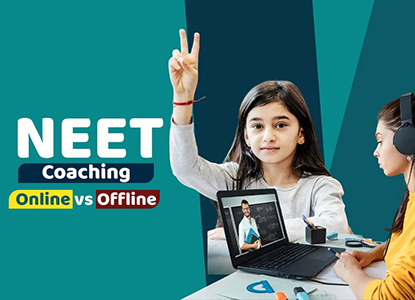
Online medical coaching in India has grown rapidly because it provides access to top teachers without the need to relocate. Students can attend live interactive classes, ask questions via chat or audio, and watch recorded sessions later for revision. This is especially beneficial for revisiting difficult Physics or Organic Chemistry lectures multiple times. Online platforms offer digital notes, e‑books, and large question banks, often at lower fees than big offline brands. Travel time is eliminated, allowing more hours for self‑study and rest. For students in remote areas, online programs can be the only realistic way to get quality NEET coaching without moving to another city.
How Do Offline Classroom Programs Benefit NEET Aspirants?
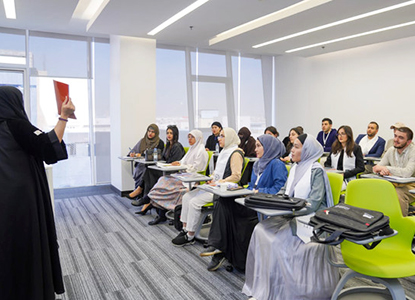
Offline classroom coaching continues to be popular in India because of its strong discipline and personal touch. Sitting in a physical classroom reduces digital distractions and creates a sense of seriousness about studies. Students can ask doubts immediately, see board work clearly, and observe how teachers approach complex questions step by step. Peer competition in class encourages many aspirants to push their limits. Regular attendance, fixed timings, and institute rules help maintain a stable routine. For some students, the emotional support of talking directly to teachers, mentors, and friends in the coaching centre is crucial for staying motivated through long preparation months.
Which Students Are Best Suited For Online Coaching?
Online coaching in India is ideal for self‑motivated, tech‑savvy students who can manage their own schedules responsibly. If you have reliable internet, a quiet study space at home, and parents who can monitor your routine, online programs can work very well. They are particularly useful if you already have reasonably strong basics and mainly need high‑quality lectures, question practice, and mock tests. Students with health issues, long commutes, or limited local coaching options also benefit. However, if you easily get distracted by mobile apps or struggle to sit alone for long hours, you may find it challenging to rely only on online learning.
Which Students Learn Better In Offline Coaching Environments?
Some Indian students thrive in structured environments where there is a clear separation between home and study spaces. For them, offline coaching centers provide a focused atmosphere, fewer digital temptations, and face‑to‑face accountability. If you need a teacher to physically check your notebooks, push you in class, and track your attendance, offline coaching can be more effective. Students who enjoy group discussions, solving problems on the board, and immediate peer interaction also benefit. Additionally, if your home environment is noisy, crowded, or emotionally stressful, going out to a coaching centre may offer a much better setting for serious NEET preparation.
How Should You Decide Between Online And Offline Modes?
The best way to choose in India is to honestly evaluate your personality, resources, and goals. List the pros and cons of both modes for your specific situation. Consider distance from coaching centers, hostel availability, total cost of living, safety, and family support. Try demo classes from both online and offline institutes before deciding. Some students adopt a hybrid model: they attend a nearby smaller offline center for discipline and immediate doubt‑clearing, while using online platforms for top‑teacher lectures and additional tests. Whatever you choose, consistency is more important than the format the right mode is the one you can sustain effectively for months.
Can A Hybrid Coaching Model Offer The Best Of Both?
Yes, hybrid coaching is increasingly popular in India because it combines personal interaction with digital flexibility. Institutes may run classroom batches, then provide recorded classes, online tests, and app‑based doubt support. Students attend physical classes for core subjects like Physics and Chemistry, while using online modules for revision and advanced practice. Hybrid models allow you to balance travel time, fees, and personal comfort. If you miss a class due to illness or school events, recordings prevent gaps in learning. This approach is particularly helpful in unpredictable situations, ensuring continuity of preparation without sacrificing the advantages of either online or offline systems.
Conclusion
Online and offline medical entrance coaching options in India each offer distinct advantages, and neither is universally superior. Offline coaching excels in discipline, direct interaction, and a motivating environment, while online coaching shines in flexibility, cost‑effectiveness, and wide access to good teachers. Hybrid models blend these strengths to create a customized learning experience. Your decision should be based on honest self‑assessment, not peer pressure or advertisements. Whatever path you choose, develop a consistent routine, track your progress through mock tests, and seek emotional support when needed. With the right mode and mindset, you can prepare effectively for NEET and other medical entrance exams in India.