Premium Hotel and Restaurant Serveware Products Supplier in India for Businesses
In the dynamic world of hospitality, the visual appeal of a meal is the first sensory interaction a guest has with their food. Before the aroma wafts up or the first bite is taken, the eyes feast upon the presentation. This is where the importance of high-quality serveware becomes undeniable. For restaurateurs, hoteliers, and caterers across the subcontinent, sourcing the right equipment is a strategic business decision. The market has evolved significantly, moving from standard steel utensils to exquisite ceramics, glass, and composite materials that tell a story. This blog delves deep into the nuances of selecting the perfect serveware, ensuring that your establishment not only serves food but also serves an experience. We will explore the critical questions every buyer must ask to ensure they are investing in products that offer both beauty and functional longevity.
How does the choice of material impact the dining experience?
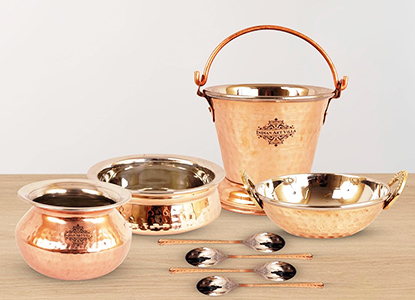
The material of your serveware is the foundation of your restaurants character. In India, where cuisines vary drastically from sizzling tandoors to delicate sushi, the vessel must match the vibe. Ceramic and porcelain offer a canvas for artistic plating, providing a heavy, luxurious feel that customers associate with fine dining. On the other hand, melamine and polycarbonate are excellent for high-traffic, casual dining environments or outdoor seating because they are virtually unbreakable and lightweight. Metal serveware, particularly copper and brass, evokes a sense of tradition and is essential for serving Indian curries. The tactile experience the weight of a bowl, the texture of a platter subconsciously informs the diner about the quality of the food. Therefore, choosing the right material is not just about durability; it is about psychological positioning.
What are the latest design trends dominating the Indian market?
Currently, the Indian market is seeing a shift away from uniform, stark white plates towards more organic and textured designs. "Perfectly imperfect" shapes that mimic hand-thrown pottery are gaining immense popularity, as they add a rustic, artisanal charm to the table. Matte finishes in earth tones like slate grey, moss green, and terracotta are replacing high-gloss shines in trendy cafes. Another significant trend is the use of mixed materials, such as wooden platters with slate inserts or ceramic bowls with metallic rims. Presentation plays a huge role in social media marketing; therefore, serveware that looks "Instagrammable" is in high demand. Chefs are looking for unique shapes triangles, oblongs, and asymmetrical platters that allow for creative food styling, moving away from the traditional round plate.
How can businesses balance cost with quality when buying in bulk?
Balancing the budget while maintaining high standards is a tightrope walk for any F&B manager. The key is to understand the "Cost Per Use" rather than just the initial purchase price. Cheaper serveware often chips or cracks easily, leading to higher replacement rates, which cost more in the long run. When buying in bulk in India, it is advisable to look for suppliers who offer tiered pricing the more you buy, the lower the unit cost. However, do not compromise on the grade of the material. For instance, commercial-grade bone china is fired at higher temperatures to ensure chip resistance. It is often smarter to invest in a "core collection" of high-quality, durable neutrals for daily use and spend a smaller portion of the budget on expensive, statement pieces for signature dishes.
Why is customization becoming a crucial factor for brands?
In a saturated market, brand recall is everything. Customisation allows a restaurant to stamp its identity on every table. This goes beyond just printing a logo on the rim of a plate. It involves working with manufacturers to create bespoke shapes or colours that align with the interior décor and theme of the restaurant. For example, a seafood restaurant might commission blue-glazed platters that resemble ocean waves. Customisation also acts as a theft deterrent; branded items are less likely to be pilfered. Furthermore, having unique serveware that cannot be found in a retail store adds an element of exclusivity. Suppliers in India are increasingly offering low Minimum Order Quantities (MOQ) for custom orders, making this accessible even to smaller boutique establishments.
What are the logistical challenges in sourcing serveware locally?
Sourcing serveware within India comes with its own set of logistical challenges, primarily revolving around breakage and consistency. The vast geography of the country means that shipping ceramics or glass from a manufacturer in Gujarat to a hotel in Kolkata carries a risk of damage if packaging is not superior. Consistency is another issue; with artisanal or small-batch productions, the second batch of plates might differ slightly in colour or size from the first. To mitigate this, buyers must insist on "commercial consistency" guarantees. Additionally, lead times can be unpredictable. It is crucial to maintain a "par stock" (a safety buffer of inventory) to cover accidental breakages during operations so that service is never disrupted while waiting for a new shipment to arrive.
How does one maintain and extend the lifespan of premium serveware?
The longevity of serveware is heavily dependent on how it is handled back-of-house. Staff training is essential. Improper stacking is the number one cause of scratching and chipping. Plates should never be slid over one another but lifted. Thermal shock moving a dish from a hot oven directly to a cold surface – can cause immediate cracking in ceramics. Using the correct detergents is also vital; harsh chemicals can erode the glaze over time, making the plates porous and unhygienic. For metallic serveware, avoiding abrasive scrubbers is key to maintaining the polish. Establishing a strict rotation system ensures that all pieces are used equally, preventing some from looking worn out while others remain brand new. Regular inventory checks help in identifying and discarding damaged items before they reach a guest.
Conclusion:
Selecting the right serveware is a multifaceted process that blends art with economics. It requires a deep understanding of your menu, your brand ethos, and your operational realities. As we have explored, the Indian market offers a plethora of options, from the traditional to the avant-garde. Whether you prioritize the durability of melamine or the elegance of bone china, the goal remains the same: to enhance the dining experience. By paying attention to trends, investing in quality, and training staff on proper maintenance, businesses can ensure their table settings remain impeccable. Ultimately, your serveware is the stage upon which your culinary creations perform; ensuring that stage is sturdy, beautiful, and appropriate is key to winning the applause of your customers.