
Preventive Care For Infectious Diseases
Preventive Care For Infectious Diseases is the cornerstone of public health and individual well-being, focusing on stopping illnesses before they take hold. In a populous nation with diverse climatic zones, the risk of disease transmission is naturally higher, making prevention strategies essential. Leading physicians emphasize that vaccination is the most effective tool in this arsenal. Beyond childhood immunizations, there is a growing awareness of the need for adult vaccines against influenza, pneumonia, and shingles. These preventive measures are particularly vital for the elderly and those with chronic conditions like diabetes or heart disease. Specialists conduct thorough risk assessments to recommend a personalized vaccination schedule. This proactive approach reduces the burden on hospitals and significantly lowers the mortality rate associated with preventable infectious diseases, creating a healthier society overall.
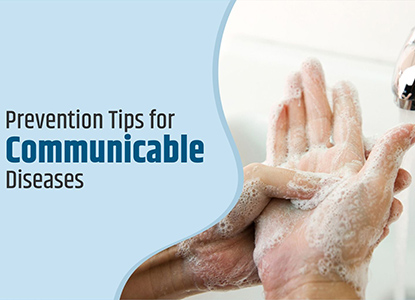
Preventive Care For Infectious Diseases also focuses heavily on hygiene education and lifestyle modifications to boost natural immunity. Doctors educate patients on the importance of hand hygiene, safe water consumption, and food safety to prevent common gastrointestinal infections like typhoid and cholera. In urban environments where vector-borne diseases like malaria and dengue are prevalent, preventive care includes advice on mosquito control and protective clothing. Furthermore, specialists advocate for a balanced diet rich in micronutrients and regular exercise to maintain a robust immune system capable of fighting off minor pathogens. During seasonal outbreaks, these medical experts provide guidelines to the community on social distancing and mask-wearing, which have proven effective in controlling respiratory viruses. By empowering individuals with knowledge, the medical community fosters a culture of health consciousness that serves as a barrier against epidemics.
Preventive Care For Infectious Diseases includes specialized protocols for high-risk environments such as hospitals and clinics to prevent nosocomial infections. Infection control doctors design and implement strict sterilization procedures for surgical instruments and medical equipment. They also monitor the use of catheters and ventilators to prevent device-associated infections, which can be difficult to treat due to drug resistance. For patients undergoing surgeries or chemotherapy, preventive care involves prophylactic antibiotics and isolation protocols to create a sterile safety net. This level of vigilance ensures that patients seeking treatment for other ailments do not contract new infections during their hospital stay. Ultimately, this comprehensive approach to prevention safeguards patient safety, reduces healthcare costs, and improves clinical outcomes across the medical landscape.