
Rapid Ecommerce Fulfillment Services
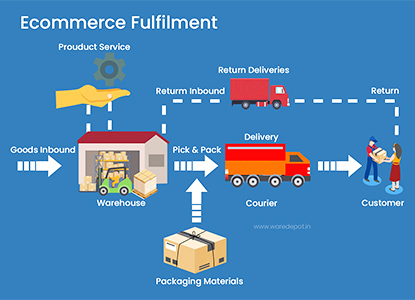
Rapid Ecommerce Fulfillment Services have become the cornerstone of the online retail industry, directly influencing customer satisfaction and brand loyalty. In a market where same-day or next-day delivery is becoming the norm, e-commerce businesses are under immense pressure to expedite their order processing. This service encompasses the entire lifecycle of an order, from the moment a customer clicks "buy" to the final delivery at their doorstep. It involves efficient picking and packing strategies within the warehouse to ensure accuracy and speed. Advanced algorithms are used to batch orders and direct warehouse personnel to the correct storage bins, minimising the time taken to ready a package for dispatch. By streamlining these internal processes, fulfillment centers can handle massive volumes of orders daily, ensuring that the promise of speed is kept without compromising on the accuracy of the shipment.
Rapid Ecommerce Fulfillment Services also depend heavily on a robust last-mile delivery network that can navigate urban congestion and reach remote rural areas with equal efficiency. The integration of bike couriers and local delivery hubs allows for quicker navigation through traffic-choked city streets, ensuring that packages reach customers faster than traditional trucks could manage. Furthermore, reverse logistics, or the management of returns, is a critical aspect of this service. A smooth and quick returns process is vital for maintaining customer trust. Efficient fulfillment services ensure that returned items are quickly inspected and restocked or refurbished, minimising inventory holding costs. This agility in handling both forward and reverse logistics flows is what separates top-tier e-commerce brands from their competitors.
Rapid Ecommerce Fulfillment Services are increasingly leveraging data analytics to forecast inventory requirements and prevent stockouts during peak sales periods. By analysing buying trends and regional demand, businesses can distribute their inventory across multiple fulfillment centers located strategically across the country. This decentralisation of stock reduces the distance a package needs to travel, thereby cutting down shipping costs and delivery times simultaneously. It also reduces the carbon footprint associated with long-haul shipping. As e-commerce continues to expand into groceries, medicines, and other time-sensitive categories, the reliance on hyper-local fulfillment and rapid delivery models will only grow. These services are no longer a luxury but a fundamental necessity for any online business looking to scale and succeed in the digital marketplace.