Rehabilitation For Adult Communication Disorders
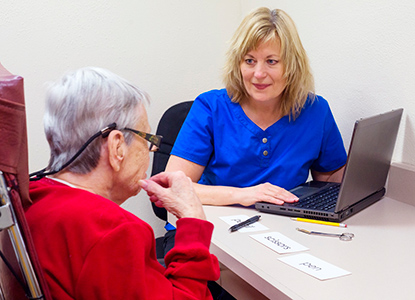
Rehabilitation For Adult Communication Disorders serves as a lifeline for individuals who have lost their ability to speak or hear due to acquired medical conditions or ageing. One of the most common reasons for adult speech therapy is a stroke, which can result in Aphasia a condition where a person struggles to process language or form sentences. Rehabilitation in this context is not just about teaching a person to talk again; it is about rebuilding neural pathways in the brain. In India, where the incidence of stroke is rising, the demand for specialised neuro-rehabilitation centres is increasing. Therapists use specific exercises to help patients retrieve words, improve articulation, and understand complex sentences. The process requires immense patience and consistency, but it offers the hope of regaining independence. Beyond stroke, rehabilitation is also sought for neurodegenerative diseases like Parkinsons, where voice projection becomes difficult, requiring specific vocal strengthening techniques.
Rehabilitation For Adult Communication Disorders also encompasses the management of age-related hearing loss, known as presbycusis. As people age, the tiny hair cells in the inner ear degrade, leading to a gradual loss of hearing, particularly in high frequencies. This often leads to social withdrawal and depression and has recently been linked to an accelerated rate of cognitive decline and dementia. Rehabilitation here involves not only the fitting of hearing aids but also auditory training. Auditory training teaches the brain to process sounds again, helping the individual distinguish speech in noisy environments. Counsellors play a vital role in this stage, helping the elderly accept their condition and motivating them to use assistive devices. In the Indian family structure, helping elders communicate effectively is crucial for their emotional well-being, ensuring they remain active participants in family discussions and decisions.
Rehabilitation For Adult Communication Disorders is a comprehensive journey that often involves the patients family members acting as co-therapists. Professional speech-language pathologists provide carers with strategies to facilitate communication at home, such as speaking slowly, maintaining eye contact, and reducing background noise. For severe cases where verbal communication is not fully recoverable, rehabilitation focuses on Augmentative and Alternative Communication (AAC). This can range from simple picture boards to sophisticated tablet-based applications that generate speech for the user. The goal of rehabilitation is functional communication, ensuring the individual can express their wants, needs, and feelings. With the growing number of specialised clinics across India, adults facing these challenges now have access to evidence-based therapies that respect their dignity and strive to reintegrate them into society as confident communicators.