
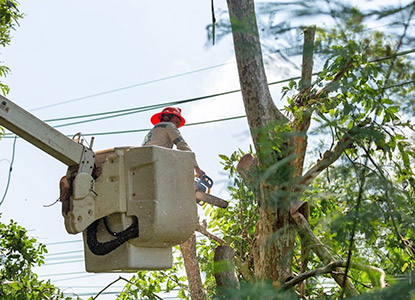
Safe Utility Tree Clearance and Vegetation Management for Critical Networks in India
Introduction:
Modern infrastructure depends on reliable utility vegetation management in india to keep electricity, transport, and pipelines running safely. Trees that grow too close to wires or tracks can trigger outages, fires, or serious accidents, which is why professional powerline tree clearance in india is so important. Skilled providers design systematic right-of-way tree maintenance programmes in india programs along transmission corridors, highways, and canals. Municipalities rely on regular roadside tree trimming in india to maintain visibility and prevent branches from falling on vehicles. Rail authorities implement specialized railway corridor tree management in india to keep tracks clear without harming ecosystems. Energy companies need effective pipeline corridor vegetation control in india to reduce fire risk and protect buried infrastructure. During storms, quick storm damage tree response in india and targeted hazard tree removal services in india restore safety. To manage all this work, it is essential to hire safety compliant tree contractors in india recognized as government-approved tree agencies in india.
Why Is Utility Vegetation Management So Critical for Public Safety in India?
Comprehensive utility vegetation management in india protects millions of people who depend on uninterrupted power, transport, and communication networks. Overgrown branches near high-voltage lines can cause arcing, sparks, or blackouts, making professional powerline tree clearance in india a non-negotiable requirement. Well-planned right-of-way tree maintenance in india ensures that vegetation never grows to dangerous heights or densities. On highways, properly executed roadside tree trimming in india keeps signboards, signals, and sightlines visible for drivers. Similarly, robust railway corridor tree management in india prevents branches from fouling overhead equipment or obstructing trains. Fossil fuel and gas networks depend on ongoing pipeline corridor vegetation control in india so that leaks or encroachments can be quickly detected. During cyclones and heavy rainfall, fast storm damage tree response in india and expert hazard tree removal services in india stop further incidents. All these tasks must be handled by safety compliant tree contractors in india recognized as government-approved tree agencies in india, ensuring adherence to strict standards.
How Do Contractors Plan Safe Powerline Tree Clearance Projects in India?
Effective powerline tree clearance in india starts with thorough surveying and digital mapping of vegetation near conductors and towers. Specialized teams in utility vegetation management in india evaluate tree height, species growth patterns, and clearance distances recommended by regulations. They then design cyclical right of way tree maintenance in india plans, prioritizing high-risk sections first. Before work begins, contractors coordinate roadside tree trimming in india with traffic authorities to manage diversions and barricades. Where rail tracks are close to lines, integrated railway corridor tree management in india ensures safe scheduling with operations control centres. For cross-country energy routes, planners incorporate pipeline corridor vegetation control in india to avoid root damage to buried lines. During seasons when storms are likely, they pre-position crews for fast storm damage tree response in india. Only experienced hazard tree removal services in india teams, working as safety-compliant tree contractors in india and often registered as government-approved tree agencies in india, should handle high-risk removals near live infrastructure.
What Standards Govern Tree Work Around Railways and Highways in India?
Transport authorities issue strict guidelines for railway corridor tree management in india and roadside vegetation control. These standards specify safe distances between trees, tracks, and overhead equipment, making professional utility vegetation management in india essential for compliance. Along highways, concessionaires must arrange regular roadside tree trimming in india to keep emergency lanes, signboards, and lighting unobstructed. Where power infrastructure parallels transport routes, joint planning of powerline tree clearance in india and right of way tree maintenance in india helps avoid duplication and safety conflicts. In zones where highways cross pipelines, regulations demand coordinated pipeline corridor vegetation control in india and routine inspections. After storms, concessionaires are expected to carry out prompt storm damage tree response in india to clear blocked roads and tracks. Sensitive sites require only accredited hazard tree removal services in india delivered by safety-compliant tree contractors in india. Many agencies now insist on working only with government-approved tree agencies in india to guarantee training, insurance, and documentation.
How Is Vegetation Managed Along Pipelines and Industrial Corridors in India?
Energy companies and industrial operators rely on meticulous pipeline corridor vegetation control in india to safeguard assets and communities. Thick undergrowth can hide leaks, illegal tapping, or erosion, making ongoing utility vegetation management in india essential. Clearance plans are coordinated with right of way tree maintenance in india so that trees do not interfere with inspection vehicles or aerial surveys. When pipelines run parallel to roads, some tasks are combined with roadside tree trimming in india, using the same access routes and crews. Where rail lines intersect with pipelines, careful railway corridor tree management in india prevents root damage and ensures visibility for safety patrols. If storms damage trees above buried utilities, quick storm damage tree response in india and specialised hazard tree removal services in india are required to minimize secondary incidents. Because of the high stakes, operators insist on partnering with safety-compliant tree contractors in india, preferably those recognized as government-approved tree agencies in india, who understand both environmental and industrial regulations.
When Should You Call Hazard Tree Removal Specialists for Emergencies in India?
Dangerous trees demand immediate attention from expert hazard tree removal services in india. You should contact such specialists whenever you see uprooted trunks or broken branches threatening wires, roads, or buildings, especially after heavy rain, winds, or landslides. Utilities responsible for powerline tree clearance in india and broader utility vegetation management in india keep 24/7 control rooms to dispatch teams quickly. When falling trees block transportation routes, coordinated right-of-way tree maintenance in india and roadside tree trimming in india operations clear paths safely. Rail operators activate emergency railway corridor tree management in india protocols to protect trains and signalling equipment. In industrial areas and along energy networks, immediate pipeline corridor vegetation control in india is vital if storms have exposed or damaged pipelines. These emergency responses are grouped under storm damage tree response in india, which only trained safety compliant tree contractors in india should handle. Governments often maintain lists of government-approved tree agencies in india qualified for such high-risk tasks.
How Can Authorities Choose Reliable Tree Management Partners for Infrastructure in India?
Selecting the right partner for utility vegetation management in india requires careful evaluation of capability and compliance. Authorities should prioritize firms with documented experience in powerline tree clearance in india, as well as certified climbers and ground staff. A solid portfolio in right-of-way tree maintenance in india along transmission lines, highways, and canals is also valuable. Transport departments need proof of safe roadside tree trimming in india practices, while rail operators look for proven railway corridor tree management in india projects. Energy regulators want clear processes for pipeline corridor vegetation control in india, including spill-prevention training. Any contractor claiming fast storm damage tree response in india must demonstrate adequate equipment, crews, and dispatch systems. Above all, teams providing hazard tree removal services in india should be known as safety-compliant tree contractors in india, with a track record of zero major incidents. Many tenders now specifically require bidders to be government-approved tree agencies in india, ensuring strong governance.
Conclusion:
Critical infrastructure cannot function safely without structured utility vegetation management in india and rigorous oversight. From planned powerline tree clearance in india to preventive right-of-way tree maintenance in india, these programs reduce outages and accidents. Coordinated roadside tree trimming in india and detailed railway corridor tree management in india keep transport networks open and reliable. Energy firms depend on consistent pipeline corridor vegetation control in india and robust storm damage tree response in india to protect people and assets. Complex, high-risk operations call for specialised hazard tree removal services in india executed only by safety-compliant tree contractors in india with proper training and insurance. When utilities and authorities insist on working exclusively with government-approved tree agencies in india, they strengthen both safety and accountability. In the long run, disciplined vegetation management around infrastructure supports a safer, more resilient India.