
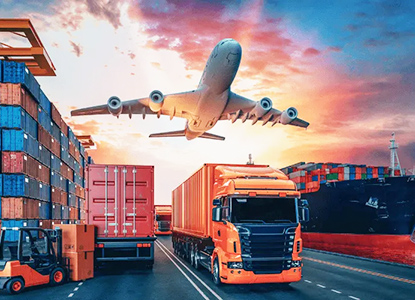
Secure Industrial Cargo Transportation
Secure Industrial Cargo Transportation is a specialised segment of the logistics industry that deals with moving heavy machinery, raw materials, and large-scale industrial equipment. Unlike standard courier services, this sector requires meticulous planning and adherence to strict safety regulations to prevent accidents and damage. The movement of over-dimensional cargo (ODC) often necessitates special permits and the use of heavy-duty hydraulic axles and flatbed trucks. Reliability is paramount here, as any delay in the delivery of critical machinery can halt production lines and cause massive financial losses for manufacturing units. Providers in this space employ skilled drivers and operational teams who understand the nuances of securing heavy loads to withstand the rigours of long-distance travel on varied road terrains. The focus is always on zero-damage delivery, ensuring that the industrial assets arrive at the project site in pristine condition, ready for installation.
Secure Industrial Cargo Transportation also relies heavily on route surveys and feasibility studies conducted before the actual transport begins. These surveys identify potential obstacles such as low bridges, narrow roads, or weak culverts that might not support the weight of the cargo. By mapping out the safest route beforehand, logistics companies can avoid costly disruptions and ensure the safety of both the cargo and the public. Technology plays a supporting role here as well, with GPS tracking allowing clients to monitor the location of their high-value assets in real time. Furthermore, specialised packaging solutions are often employed to protect sensitive industrial electronics or fragile components from vibration and shock during transit. This comprehensive approach to planning and execution creates a safety net that builds trust between the logistics provider and the industrial client.
Secure Industrial Cargo Transportation involves navigating complex regulatory frameworks and tax compliances that vary from state to state. Professional logistics partners handle all the necessary documentation, including e-way bills and insurance papers, to ensure a hassle-free journey across borders. Insurance is a critical component of this service, providing financial coverage against unforeseen events like accidents, theft, or natural calamities. Given the high value of industrial cargo, having comprehensive transit insurance is a standard practice that safeguards the investment of the business. As the industrial sector grows with new infrastructure projects and factory setups, the demand for these specialised transportation services continues to rise. Companies that offer a combination of safety, compliance, and timely delivery are becoming the preferred partners for the manufacturing and construction sectors.