
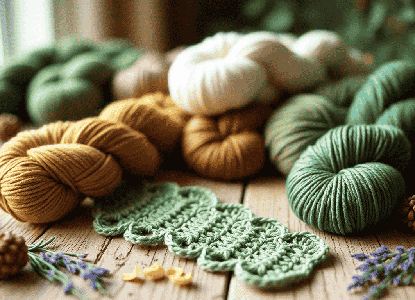
Sustainable Eco Friendly Yarn Solutions
Sustainable Eco Friendly Yarn Solutions are rapidly transforming the landscape of the textile industry as environmental consciousness becomes a priority for brands and consumers alike. This shift is characterised by a move away from resource-intensive conventional manufacturing towards processes that conserve water, reduce energy consumption, and utilize renewable or recycled raw materials. In India, a significant number of mills are transitioning to the production of Recycled Polyester (rPET), which is made by melting down discarded plastic bottles and spinning them into new fibre. This process not only diverts plastic waste from landfills and oceans but also requires significantly less energy compared to producing virgin polyester. Additionally, the cultivation of organic cotton, which avoids the use of harmful pesticides and synthetic fertilizers, is being scaled up. These eco-friendly initiatives are supported by rigorous certifications, ensuring that the "green" claims are verifiable and meet international standards for environmental and social responsibility.
Sustainable Eco Friendly Yarn Solutions also encompass the innovation of regenerated fibres and natural alternatives that leave a minimal ecological footprint. Manufacturers are increasingly experimenting with materials like bamboo, hemp, and modal, which are biodegradable and require less water to grow than conventional cotton. The production processes for these fibres are often closed-loop, meaning that the chemicals and water used are recycled and reused within the system, preventing pollution. For instance, the production of Lyocell involves a solvent spinning process where 99% of the solvent is recovered. Indian textile companies are adopting these technologies to offer a diverse portfolio of sustainable products. Beyond the raw material, the dyeing and finishing stages are also being revolutionised; waterless dyeing technologies and the use of natural, plant-based dyes are becoming more prevalent to eliminate the release of toxic effluents into water bodies.
Sustainable Eco Friendly Yarn Solutions are not just about the product but also about the ethical supply chain that supports it. This involves ensuring fair wages, safe working conditions, and the empowerment of farmers and factory workers. Indian manufacturers are partnering with global organisations to implement traceability systems, often using blockchain technology, to allow consumers to track the journey of their yarn from the farm or recycling centre to the final product. This transparency builds trust and adds value to the yarn. Furthermore, many factories are installing solar panels and wind turbines to power their machinery, drastically reducing their carbon emissions. By integrating circular economy principles where waste is viewed as a resource and prioritising ethical labour practices, the Indian textile sector is positioning itself as a global leader in sustainable yarn manufacturing, catering to the conscientious buyer who values both quality and planetary health.