Switching To Green Cleaning Products For Better Health
The world is waking up to the environmental impact of daily choices, and the cleaning industry is no exception. For decades, harsh chemicals have been the norm, but the tide is turning. In India, where pollution and environmental health are growing concerns, switching to sustainable utility items is more than a trend; it is a necessity. This shift is not just about saving the planet; it is about protecting our families, pets, and employees from the invisible dangers lurking in conventional cleaning agents. This blog delves into why and how you should transition to eco-friendly solutions.
Why should you switch to eco-friendly cleaning products?
Conventional cleaners often contain Volatile Organic Compounds (VOCs), bleach, and ammonia, which contribute to indoor air pollution and can trigger asthma, skin irritations, and allergies. When washed down the drain, these chemicals contaminate Indias water bodies, harming aquatic life. Eco-friendly products use natural ingredients like citrus, vinegar, and enzymes that break down dirt effectively without leaving toxic residues. By switching, you create a safer breathing space indoors and contribute to reducing the chemical load on the environment.
Are natural cleaning products as effective as chemicals?
Modern bio-enzyme technology and plant-based surfactants have made eco-friendly cleaners incredibly potent. They are designed to tackle tough Indian stains like turmeric, oil, and grease just as effectively as harsh acids. For example, enzyme-based floor cleaners continue to work for hours after application as the enzymes keep eating away at organic matter. While they might not produce the strong artificial chemical smell we associate with "cleanliness", they sanitise surfaces thoroughly. In many cases, they are less corrosive, preserving the life of your tiles and fixtures.
What are the cost differences in the long run?
Initially, eco-friendly products may appear slightly more expensive per bottle than cheap, mass-market chemical cleaners. However, they are often highly concentrated, meaning you use less product per wash. Furthermore, consider the hidden costs of chemical cleaners: faster wear and tear of surfaces, potential medical costs due to allergies, and the environmental cost of plastic pollution. Many sustainable brands also offer refill packs, which are cheaper and reduce plastic waste. When viewed holistically, the cost difference is negligible, and the value added is immense.
How can you identify genuine green products?
Greenwashing occurs when companies falsely claim their products are eco-friendly. To identify genuine items, look for transparency in the ingredient list. Genuine products will list plant-based ingredients rather than vague terms like "cleaning agents." Look for recognised certifications or labels that indicate biodegradability and phosphate-free formulas. Avoid products with artificial fragrances and dyes, as these are often the primary sources of allergens. A trustworthy supplier in India will be able to explain exactly what makes their product sustainable and provide the necessary documentation.
What eco-friendly utility items are available today?
The sustainable range is vast. Beyond floor and toilet cleaners, you can find bamboo brooms, coconut coir scrubbers, and biodegradable garbage bags made from cornflour that decompose naturally. There are reusable bamboo paper towels, loofah sponges for dishwashing, and recycled plastic buckets. Even personal hygiene items like bamboo toothbrushes and organic hand washes are readily available. Replacing single-use plastic brushes and synthetic sponges with these natural alternatives significantly reduces your household or business waste footprint.
How do you transition your home or office to green cleaning?
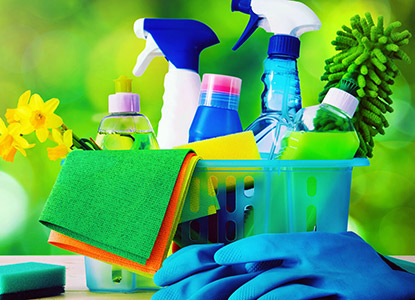
You do not need to throw everything out at once. Start by replacing items as they run out. Begin with the products you use most frequently, such as dishwashing liquid and floor cleaner. Educate your family or housekeeping staff on the correct dosage, as green products often require different usage methods (e.g., allowing them to sit for a few minutes to break down dirt). creating a "green cleaning kit" with microfibre cloths and essential organic cleaners is a great way to systematise the change. Over time, this transition becomes a habit.
Conclusion:
Embracing eco-friendly cleaning and utility items is a powerful step toward a healthier lifestyle and a cleaner India. It requires a shift in mindset from valuing strong chemical smells to valuing safety and sustainability. With the wide availability of effective green products today, there is no better time to make the switch and contribute to a greener tomorrow.