
Synthetic Polyester Fiber Manufacturing Hubs
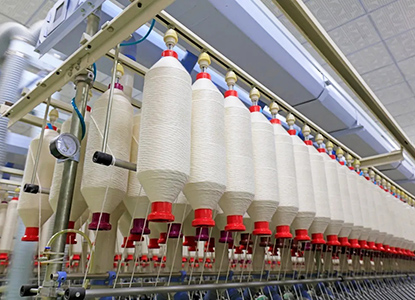
Synthetic Polyester Fiber Manufacturing Hubs have emerged as powerful industrial centers that drive the fast-fashion and sportswear industries globally. Unlike natural fibers which depend on agriculture, polyester production is a chemical engineering marvel that relies on the polymerisation of purified terephthalic acid (PTA) and mono-ethylene glycol (MEG). These hubs, located primarily in states like Gujarat and Dadra & Nagar Haveli, house massive continuous polymerization plants that run 24/7 to meet global demand. The process starts with the melting of polymer chips or the direct molten polymer being extruded through a spinneret, a device similar to a showerhead, to form continuous filaments. These filaments solidify upon cooling and are wound onto bobbins. The ability to control the cross-section of the fibre allows manufacturers to create yarns with specific properties, such as moisture-wicking capabilities, high lustre, or a cotton-like feel, making them incredibly versatile for various textile applications ranging from apparel to automotive upholstery.
Synthetic Polyester Fiber Manufacturing Hubs utilize cutting-edge technology to produce various forms of polyester yarn, including Partially Oriented Yarn (POY), Fully Drawn Yarn (FDY), and Drawn Textured Yarn (DTY). POY is the primary form which is later textured to create DTY, a yarn known for its bulk and crimp, making it ideal for comfortable clothing. FDY, on the other hand, is fully stretched during the spinning process, resulting in high strength and smoothness, and is often used in home textiles and high-end fashion linings. Indian manufacturers have invested heavily in high-speed spinning machines and texturising units that ensure uniformity in dye uptake and physical properties. This technological prowess allows them to produce micro-denier yarns that are finer than silk, as well as coarse deniers for industrial use. The rigorous quality control measures implemented in these hubs ensure that the elongation, tenacity, and shrinkage of the yarn remain within strict tolerance limits, satisfying the requirements of modern high-speed looms and knitting machines.
Synthetic Polyester Fiber Manufacturing Hubs are also leading the charge in innovation by developing functional and specialty yarns. Today, the market demands more than just basic polyester; there is a growing need for flame-retardant, anti-microbial, and UV-resistant yarns. Manufacturers in these Indian hubs are collaborating with chemical companies to incorporate additives during the melt-spinning phase, embedding these properties permanently into the fibre structure. Furthermore, the scale of operations in these hubs allows for cost-effective production, making Indian polyester competitive against other major global players. The logistics infrastructure surrounding these hubs, including proximity to ports and dedicated freight corridors, facilitates the rapid export of massive quantities of yarn. By combining chemical expertise with large-scale manufacturing and logistical efficiency, these hubs ensure that India remains a dominant force in the synthetic textile market, capable of fulfilling the complex and voluminous orders of international buyers.