
The Role of Illustrations and Photography in Cultural Books
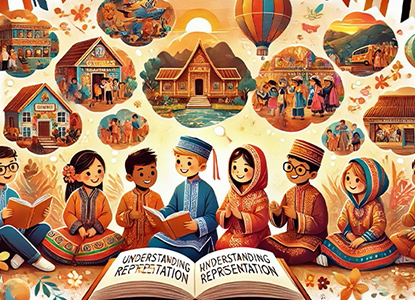
Illustrations and photography are essential in cultural books. They bring traditions, art, and history to life, helping readers visualize, connect, and understand cultural contexts more vividly and accurately.
- Enhances Visual Storytelling: High-quality images and illustrations make cultural narratives engaging, allowing readers to experience traditions, customs, and heritage more vividly than text alone.
- Preserves Artistic Details: Photographs capture intricate details of art, artifacts, and architecture, ensuring accurate representation and preserving cultural authenticity.
- Improves Reader Engagement: Visual elements attract attention and maintain interest, especially for younger readers or those new to the culture.
- Aids Understanding of Complex Concepts: Diagrams, maps, and images simplify historical events, rituals, and cultural practices, making them easier to grasp.
- Encourages Emotional Connection: Visual storytelling evokes feelings, empathy, and appreciation, helping readers relate to cultural experiences on a deeper level.
- Supports Educational Value: Images complement text, assisting educators and students in learning about diverse cultures effectively and memorably.
- Adds Aesthetic Appeal: Well-designed layouts with illustrations and photography make books visually appealing, increasing reader satisfaction and collectible value.