Top Advantages of Using Plywood Boards in Modern Construction
Plywood boards have become a cornerstone in modern construction due to their versatility, strength, and cost-effectiveness. Builders and interior designers prefer plywood for residential, commercial, and industrial projects, as it combines durability with aesthetic flexibility.
- High Strength and Durability: Plywood boards are made of multiple layers of wood veneer glued together, providing exceptional strength and long-lasting performance suitable for walls, flooring, and furniture in modern construction.
- Lightweight and Easy to Handle: Despite their strength, plywood boards are relatively lightweight, making transportation, handling, and installation easier compared to solid wood, reducing labor and construction time.
- Resistance to Cracking and Shrinking: The cross-grain structure of plywood ensures minimal shrinkage, swelling, or cracking, providing reliable stability even in areas with varying temperature and humidity.
- Cost-Effective Alternative to Solid Wood: Plywood boards offer a similar aesthetic and structural quality as solid wood but at a fraction of the cost, making them ideal for budget-conscious construction projects.
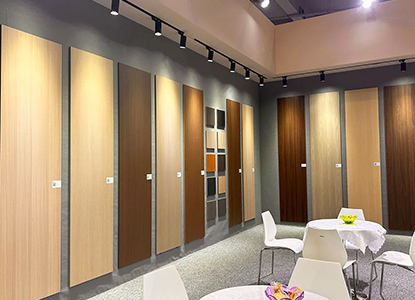
- Versatile Applications: Plywood is suitable for flooring, walls, ceilings, furniture, cabinets, and even decorative panels, providing unmatched flexibility in both residential and commercial interior design.
- Easy to Customize: Plywood boards can be cut, shaped, laminated, and finished according to project requirements, allowing architects and designers to create custom solutions without compromising durability.
- Eco-Friendly Option: Many plywood boards are manufactured using sustainable timber and adhesives, ensuring minimal environmental impact while promoting responsible forestry and green building practices.