
Top Quality Wholesale Melamine and Ceramic Serveware Products Supplier in India
For the bustling hospitality sector, serveware is not just about aesthetics; it is a tool of the trade. Hotels, banquet halls, and large-scale catering companies operate on a scale where durability and functionality are paramount. The operational demands of serving hundreds, sometimes thousands, of guests simultaneously require a serveware strategy that differs vastly from a small intimate bistro. In India, the wedding and corporate event industry drives a massive demand for bulk serveware that looks elegant but acts tough. This blog serves as a handbook for procurement managers and business owners, guiding them through the complexities of bulk buying. We will analyze the practical aspects of inventory management, material science suitable for heavy usage, and the economic factors that drive these high-volume decisions.
Why is melamine the preferred choice for high-volume catering?
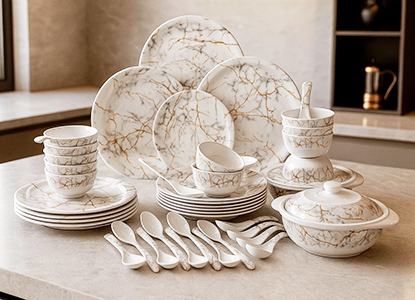
In the high-pressure environment of catering and outdoor events, breakage is a significant cost centre. This is where melamine shines. Modern melamine serveware manufactured in India mimics the look of ceramic and porcelain with astonishing accuracy but comes with the benefit of being shatter-resistant. It is lightweight, which reduces the physical strain on waitstaff carrying heavy trays during long shifts. Furthermore, high-grade melamine is resistant to heat transfer, meaning it keeps hot food hot and cold food cold for longer periods without becoming too hot to touch. For caterers moving equipment from venue to venue, the robustness of melamine means fewer losses during transport. It is an investment in efficiency, allowing operations to run smoothly without the constant crash of breaking glass.
How to determine the correct quantity for a new establishment?
Calculating the "par level" is a science. A common mistake new hoteliers in India make is under-ordering, leading to shortages during peak hours. The general rule of thumb for a standard restaurant is to have a par stock of 2.5 to 3 times the seating capacity for standard items like dinner plates and glasses. For catering businesses, the calculation is based on the maximum guest capacity of their largest potential event, plus a 15% buffer for breakage and loss. You must also account for the wash cycle speed; if your dishwasher is slow, you need more inventory on the floor. It is safer to overstock slightly on key items than to face the embarrassment of running out of clean plates during a wedding banquet.
What are the key features to look for in buffet display equipment?
Buffet dining is a staple of Indian hospitality, especially in hotels and weddings. The serveware used here serves a dual purpose: functionality and display. Chafing dishes, risers, and large platters must be designed for easy access and temperature retention. Look for modular systems that allow you to create different heights; this adds visual interest and saves table space. The finish is critical—stainless steel remains the gold standard for hygiene and ease of cleaning, but hammered copper finishes are trending for a premium look. Additionally, lids should have hydraulic hinges for soft closing to prevent noise and damage. The equipment must also be stackable or collapsable for storage when not in use, a crucial factor for hotels with limited storage areas.
How does one ensure the safety and hygiene of plastic-based serveware?
With the prevalence of polycarbonate and melamine, safety is a valid concern. It is imperative to source from certified suppliers in India who adhere to food safety standards. Low-quality plastics can leach chemicals into hot food (especially acidic foods like curries). Buyers must insist on "100% Food Grade" and BPA-free certifications. NSF (National Sanitation Foundation) certification is a global benchmark to look for. Furthermore, scratching is a hygiene issue; deep scratches in plasticware can harbour bacteria. Therefore, high-quality, scratch-resistant coatings are non-negotiable. Regular inspection protocols should be in place to retire any serveware that shows signs of surface degradation, ensuring that guest health is never compromised.
What is the role of logistics and supply chain reliability in bulk orders?
When you are ordering 5,000 plates, you cannot simply pick them up in a car. Logistics becomes a massive component of the purchase. Reliable suppliers in India will have tie-ups with robust freight carriers who understand how to handle fragile goods. You must evaluate the suppliers track record for on-time delivery. In the events industry, a delay of even one day can be catastrophic. Does the supplier have a warehouse with ready stock, or do they manufacture on order? "Just-in-time" delivery sounds good in theory but can be risky in practice. Establishing a contract with a supplier who guarantees stock availability for your specific pattern for at least 2-3 years is essential to avoid mismatched sets in the future.
How can businesses effectively manage inventory to reduce shrinkage?
"Shrinkage" (theft and breakage) is the silent killer of profit margins in hospitality. Managing bulk inventory requires strict protocols. Every piece of serveware entering the building must be counted and logged. Regular audits weekly or monthly should compare physical stock against the recorded inventory. In large hotels, separating the breakage bin from the trash is a common practice; staff must place broken items in a specific bin so they can be counted before disposal. This highlights if a specific staff member needs retraining or if a particular product line is defective. Branding your serveware also deters theft by guests. By treating serveware as a tracked asset rather than a consumable, businesses can significantly reduce unnecessary replacement costs.
Conclusion
Buying serveware for commercial use is a strategic exercise that goes beyond selecting pretty patterns. It involves a rigorous assessment of material durability, safety standards, quantity planning, and supply chain logistics. For the Indian market, where volume and variety go hand in hand, finding a supplier that acts as a partner is crucial. By prioritizing break-resistant materials like melamine for high-volume areas and implementing strict inventory controls, businesses can optimise their operational costs. The insights provided in this handbook aim to empower decision-makers to buy smart, ensuring that their service flows seamlessly, their food looks appetizing, and their bottom line remains healthy.