Top Silicone and Non Stick Bakeware Suppliers in India for Kitchens
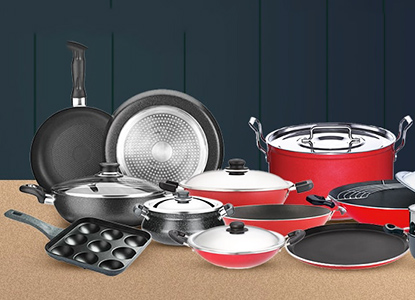
Silicone and Non-Stick Bakeware opens up a world of convenience and creativity for modern bakers. In recent years, the Indian market has seen a massive shift towards silicone and advanced non-stick materials, driven by the need for easy release and low-fat cooking. These materials have revolutionised how we bake, allowing for intricate shapes that were previously impossible with rigid metal pans. This introduction explores the growing popularity of these flexible and user-friendly tools among home bakers and professional pastry chefs alike. Suppliers in India are now stocking a vast array of vivid, heat-resistant silicone moulds and heavy-duty non-stick pans that promise hassle-free baking. Understanding the utility and care of these products is essential for anyone looking to upgrade their kitchen arsenal with tools that offer both functionality and aesthetic appeal.
What is Silicone and Non-Stick Technology?
The materials are used to prevent food from adhering to the baking surface. Silicone bakeware is made from a synthetic rubberised polymer that is flexible, heat-resistant, and naturally non-stick. It can withstand freezing temperatures and high oven heat, making it versatile. Non-stick metal bakeware, on the other hand, typically involves a metal core (like steel or aluminium) coated with layers of PTFE (Polytetrafluoroethylene) or ceramic compounds. This technology ensures that delicate cakes and pastries slide out effortlessly without the need for excessive greasing or flouring. The science behind these materials focuses on creating a hydrophobic surface that repels water and oils, ensuring that the structural integrity of the baked good is maintained during the de-moulding process.
Benefits of Using Silicone Bakeware:
- Flexibility: You can bend and twist the moulds to pop out cakes without breaking them.
- Space Saving: Silicone moulds are collapsable and easy to store in tight kitchen spaces.
- Versatility: Safe for use in the oven, microwave, freezer, and dishwasher.
- Healthier Baking: Requires little to no oil or butter for greasing.
- Non-Corrosive: Unlike metal, silicone does not rust or react with acidic foods.
- Cooling Speed: Silicone cools down much faster than metal, preventing overcooking after removal from the oven.
Why is Quality Control Vital for Silicone?
Low-quality silicone often contains fillers that can leach into food at high temperatures, posing health risks and altering the taste of the bake. High-quality silicone must be 100% food-grade, FDA or LFGB approved, and free from fillers. You can often test this by pinching the silicone; if it turns white, it contains fillers. In the context of non-stick coatings, quality control ensures that the coating does not flake off into the food. For suppliers in India, maintaining strict quality checks is essential to build trust with consumers who are becoming increasingly health-conscious and aware of the dangers of substandard kitchenware materials.
Key Considerations for Non-Stick Products:
- Temperature Limit: Always check the maximum temperature rating; overheating can damage the coating.
- Utensil Use: Never use metal utensils on non-stick or silicone; use wood or silicone tools to prevent scratches.
- Washability: While dishwasher safe, hand washing extends the life of non-stick layers.
- Rigidity: For silicone, check if it needs a baking sheet underneath for stability.
- Coating Thickness: Multiple layers of non-stick coating usually indicate a longer-lasting product.
- Certification: Ensure the product is PFOA-free and meets food safety standards.
Future of Non-Stick Baking
Non-Stick Baking is heading towards ceramic and sol-gel technologies that offer non-stick properties without the use of traditional plastics or PTFE. Consumers are demanding "green" bakeware that is environmentally friendly in its production and disposal. We are also seeing the development of silicone composites that offer the rigidity of metal with the flexibility of silicone, providing the best of both worlds. In India, the market is likely to see an influx of hyper-realistic silicone moulds for 3D cake artistry. Innovation is also focusing on self-healing coatings that can withstand minor scratches, significantly extending the lifespan of the product. As technology advances, the gap between professional-grade and home-use non-stick performance will continue to narrow.
Conclusion:
Silicone and Non-Stick Tools reiterates that these modern inventions are indispensable for hassle-free baking. They save time, reduce fat consumption, and allow for creative presentations that rigid pans cannot achieve. However, the key lies in sourcing these products from reputable suppliers in India who guarantee the safety and purity of the materials. Whether you are making chocolates in a silicone mould or baking a delicate sponge in a non-stick tin, the quality of the tool defines the ease of the process. As the market evolves, embracing high-quality silicone and advanced non-stick coatings will ensure that your baking remains safe, efficient, and enjoyable.