Traditional Silk Handloom Weavers India
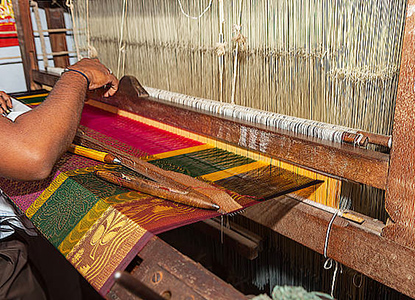
Traditional Silk Handloom Weavers India represent the pinnacle of textile artistry, producing fabrics that are synonymous with royalty, weddings, and grand celebrations. The history of silk weaving in India is centuries old, with distinct styles emerging from different states, such as the golden borders of Assams Muga silk or the geometric patterns of Odishas Ikat. These weavers possess knowledge that has been passed down orally and practically through generations within families. The process of weaving a single pure silk saree can take anywhere from a few weeks to several months, depending on the complexity of the design. These artisans work with painstaking precision on pit looms or jacquard looms to create masterpieces that are revered worldwide. The dedication of these weavers ensures that the fabric retains its lustre, strength, and emotional value, making it a treasured heirloom in Indian households.
Traditional Silk Handloom Weavers India are currently navigating the challenges of the modern era by blending age-old techniques with contemporary colour palettes and motifs. While the demand for classic red and gold bridal sarees remains high, there is a growing market for pastel shades and lighter silk blends suitable for corporate wear and semi-formal occasions. The weavers are adapting to these trends without compromising the authenticity of the craft. They are increasingly using certified "Silk Mark" yarns to assure customers of purity in an era of synthetic imitations. These weavers are the backbone of the luxury textile market in India. Their ability to weave intricate zari (gold and silver thread) work into the silk warp and weft is a skill that machines have failed to replicate perfectly. This human touch adds a unique irregularity and charm to the fabric, distinguishing it from mass-produced factory silk.
Traditional Silk Handloom Weavers India face various economic and social challenges, yet their resilience keeps the industry alive and vibrant. Cooperative societies and government bodies are stepping in to provide them with better raw materials, subsidized loans, and direct access to urban markets through exhibitions and online portals. This support system allows the weavers to bypass middlemen and earn a better livelihood. By purchasing directly from these traditional weavers or authorised cooperatives, consumers contribute to the preservation of a magnificent art form. The global appreciation for handwoven Indian silk is also rising, with international fashion designers incorporating these fabrics into their collections. Consequently, the weavers role is transforming from a rural artisan to a creator of global luxury goods, ensuring that the rhythmic clatter of the handloom continues to echo in the villages of India for generations to come.