
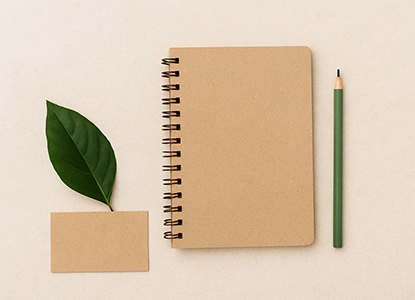
Why Eco Friendly Writing Pads Are Growing Popular Among Indians
Across offices, schools, and homes, people in India are rethinking the stationery they use every day. Eco friendly writing pads are no longer a niche product; they are steadily moving into mainstream demand. Rising awareness about deforestation, landfill waste, and plastic pollution has made buyers more sensitive to what goes into a simple notepad. At the same time, businesses are under pressure to show real commitment to sustainability, not just talk about it in annual reports. Eco pads made from recycled or responsibly sourced paper offer a practical way to reduce environmental impact without sacrificing usability. The big question many buyers have is whether these pads truly perform as well as conventional products and how to be sure they are genuinely eco friendly. This blog explores what makes a writing pad sustainable, how it compares in daily use, and why it is becoming a smart choice for Indian consumers and organizations.
What Makes A Writing Pad Truly Eco Friendly Today?
A genuinely eco friendly writing pad goes beyond a green logo on the cover. First, the paper should be recycled or sourced from responsibly managed forests, supported by credible certifications. This reduces pressure on natural forests and cuts down energy and water use in production. Second, bleaches and inks should minimize harmful chemicals; chlorine‑free bleaching and soy‑based or water‑based inks are positive signs. Third, the backing board is often made from recycled board rather than virgin pulp. Even binding choices matter minimizing plastic components or using metal spirals that can be separated for recycling improves the overall footprint. Finally, packaging should avoid unnecessary plastic wrap, using recyclable or compostable materials instead. When these elements come together, your eco-friendly writing pad genuinely supports sustainability, rather than being a superficial marketing claim.
How Do Eco Writing Pads Compare To Conventional Pads In Use?
One common concern is that recycled paper might feel rough, dull, or unsuitable for everyday writing. While older recycled papers did have such issues, todays better‑quality eco pads often surprise users with smooth surfaces and good opacity. Manufacturers in India have learned to blend recycled fibers and advanced processing to deliver paper that works well with ball pens, gel pens, and even fountain pens in many cases. You may notice a slightly different shade often more natural or off‑white rather than bright blue‑white but this can actually be easier on the eyes during long writing sessions. Eco pads usually match conventional pads in durability and binding strength when made by reputable suppliers. There may still be ultra‑cheap conventional products that feel smoother, but the gap is closing fast, and for most everyday uses the difference is barely noticeable, while the environmental benefits are significant.
Why Should Businesses Switch To Sustainable Stationery Options?
For businesses, stationery may seem like a small line item, but it is highly visible. Every visitor who picks up a pad in your reception, every employee who attends a training session, and every participant in your seminar interacts with your writing pads. Choosing eco friendly pads turns each of those touchpoints into a subtle statement of values. Internally, it supports your CSR goals and helps engage employees who care about sustainability. Externally, it strengthens your brand narrative when clients and partners see that your green claims translate into everyday choices. In some sectors such as IT, consulting, education, or NGOs eco stationery has even become an expected standard. Moreover, as regulations and tender requirements evolve, using sustainable products can improve your eligibility for certain projects. So, switching to eco writing pads is both a branding advantage and a strategic move for forward‑thinking organizations in India.
How Can You Identify Genuine Eco Certifications And Labels?
The growing popularity of eco products has unfortunately also attracted “greenwashing,” where products are marketed as eco friendly without real substance. To protect yourself, learn to recognize genuine certifications and ask suppliers to share documentation. Look for recognized forest management or recycled content labels on the paper. Check whether the manufacturer can provide test reports or certificates from paper mills, not just self‑printed symbols on the cover. Ask specific questions: What percentage of recycled content is used? Are the inks and bleaches environmentally safer? Is the packaging recyclable? When a supplier is truly committed to sustainability, they will answer confidently and transparently, rather than hiding behind vague claims. By taking a few extra minutes to verify, you ensure that your eco writing pads in India reflect real environmental responsibility, not just clever marketing design.
Conclusion
Eco friendly writing pads are gaining ground in India because they align with both conscience and practicality. They help reduce pressure on forests, lower energy and water use, and cut down waste, all while delivering performance that matches most conventional alternatives. For businesses, they offer an easy, visible way to demonstrate sustainability in everyday operations. For schools and individuals, they are an opportunity to teach and practice environmental responsibility from a young age. The key is to choose products backed by genuine materials and certifications rather than vague promises. As more Indian manufacturers innovate with recycled papers, better bindings, and thoughtful packaging, eco writing pads are set to become the new normal. By embracing them now, you position yourself and your organization on the right side of a growing, positive change.