
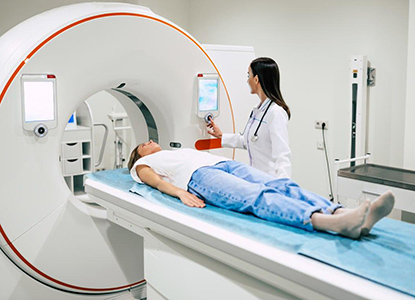
Advanced Interventional Radiology Treatment
Advanced Interventional Radiology Treatment has completely transformed the landscape of modern surgery by offering patients minimally invasive alternatives to traditional operations. In the past, treating conditions like blocked arteries or liver tumors required large incisions, general anesthesia, and long recovery periods in the hospital. However, with the advent of these advanced techniques, specialists can now perform complex procedures through a pinhole-sized incision. The technology relies on high-definition imaging guidance, such as fluoroscopy or ultrasound, allowing the doctor to see inside the body in real-time. This precision ensures that healthy tissues remain untouched while the diseased area is targeted effectively. Patients opting for these treatments often experience significantly less pain and scarring. Furthermore, the risk of infection and complications associated with open surgery is drastically reduced. This shift towards less invasive care is particularly beneficial for elderly patients or those with underlying health issues who cannot withstand major surgery.
Advanced Interventional Radiology Treatment plays a crucial role in womens health and vascular care, offering solutions that preserve organs and improve quality of life. For instance, women suffering from symptomatic uterine fibroids can now undergo embolization, a procedure that shrinks the fibroids without the need for a hysterectomy. Similarly, men and women suffering from painful varicose veins can receive laser or ablation therapy that seals the veins without stripping them out. These procedures are typically performed on an outpatient basis, meaning the patient can return home on the same day. The convenience and safety profile of these treatments have made them the preferred choice for informed patients. As technology continues to improve, the scope of what can be treated interventionally expands, covering everything from stroke management to cancer therapies involving radiofrequency ablation.
Advanced Interventional Radiology Treatment is also pivotal in emergency medicine, particularly in controlling internal bleeding or managing acute strokes. When a patient arrives with trauma or a ruptured aneurysm, time is of the essence. Interventional radiologists can quickly insert catheters to coil an aneurysm or embolize a bleeding vessel, effectively saving a life without the delay of preparing an operating theater for open surgery. The integration of these advanced treatments into standard hospital care protocols has improved survival rates across the country. Moreover, the cost-effectiveness of these procedures makes high-quality healthcare more accessible. By reducing the length of hospital stays and the need for post-operative rehabilitation, the overall financial burden on the patient is lowered. This modern approach signifies a leap forward in medical science, prioritizing patient comfort, safety, and rapid recovery above all else.